
SkB Architects Exhibits at the Venice Architecture Biennale
SkB Architects has been selected to participate in the AiM (Architects Index of Modelmaking) exhibition at Palazzo Bembo — one of the most distinguished venues of the Venice Architecture Biennale — as part of the European Cultural Centre's prestigious Time Space Existence global platform.
AiM brings together fifteen international practices to examine the enduring primacy of physical modelmaking in an era increasingly defined by computation. SkB Architect's inclusion reflects recognition of our design process as a contribution to that broader disciplinary conversation.

Time Space Existence, Palazzo Bembo. Photo: Matteo Losurdo
The Venue
Palazzo Bembo,
Grand Canal
Palazzo Bembo is among the most significant cultural addresses in Venice — a 15th-century Gothic palace on the Grand Canal that has served as a premier exhibition venue for the Biennale since 2010. To present work here is to engage with one of architecture's most storied international stages.
The Time Space Existence exhibition platform, organized by the European Cultural Centre, is held concurrent with the Venice Architecture Biennale and attracts an audience of global architects, critics, curators, and institutions over its six-month run.
Exhibition
Time Space Existence
Organizer 01
European Cultural Centre
Organizer 02
Architects Index of Modelmaking
Duration
6 months

Time Space Existence. Photo: Matteo Losurdo
The Case for the Physical.
The AiM (Architects Index of Modelmaking) exhibition is a curated argument: that physical modelmaking remains not merely relevant, but essential for thoughtful architectural practice. As digital tools grow more capable - heightened by the rapid rise of AI - the tactile investigation of space becomes a more deliberate, and more valuable act.
SkB Architect’s inclusion alongside fourteen international practices and institutions speaks to the recognition of our modelmaking practice as a significant contribution to this discourse.


Model as Method.
For SkB Architects, the study model is more than a presentation tool. It is part of the design process itself. Physical models allow ideas to be tested, adjusted, and understood before construction begins. They make scale, proportion, and material relationships easier to judge in a direct and immediate way.
Whether studying massing, refining a structural idea, or helping a client experience a project for the first time, the model offers a level of clarity that drawings and screens cannot fully provide. It slows the process down in a useful way and often reveals things that would otherwise be missed.
The AiM exhibition reflects this belief. Bringing together work from fifteen practices, it highlights modelmaking as an active and evolving part of contemporary architectural thinking.
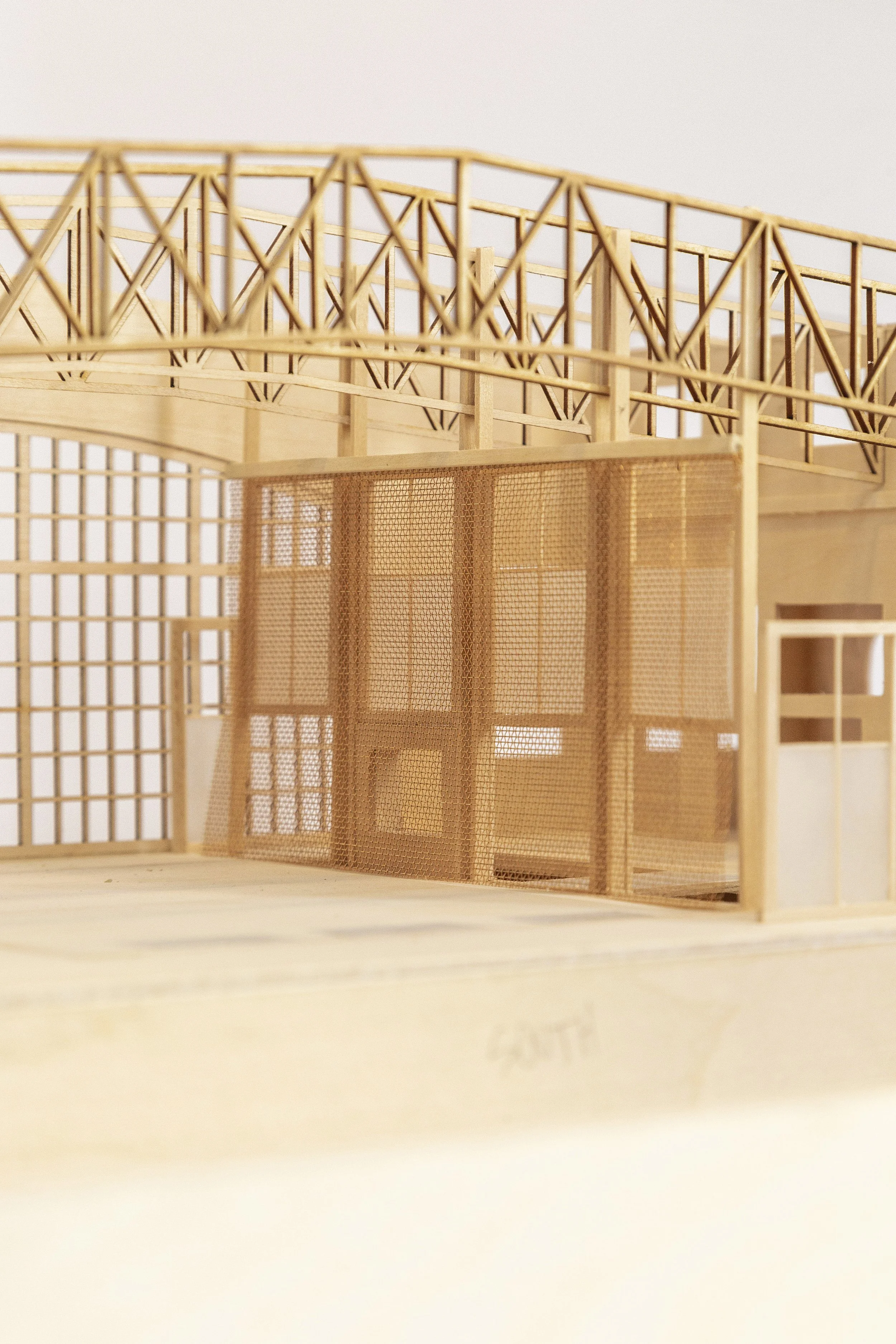
Design Model. Austin, Texas
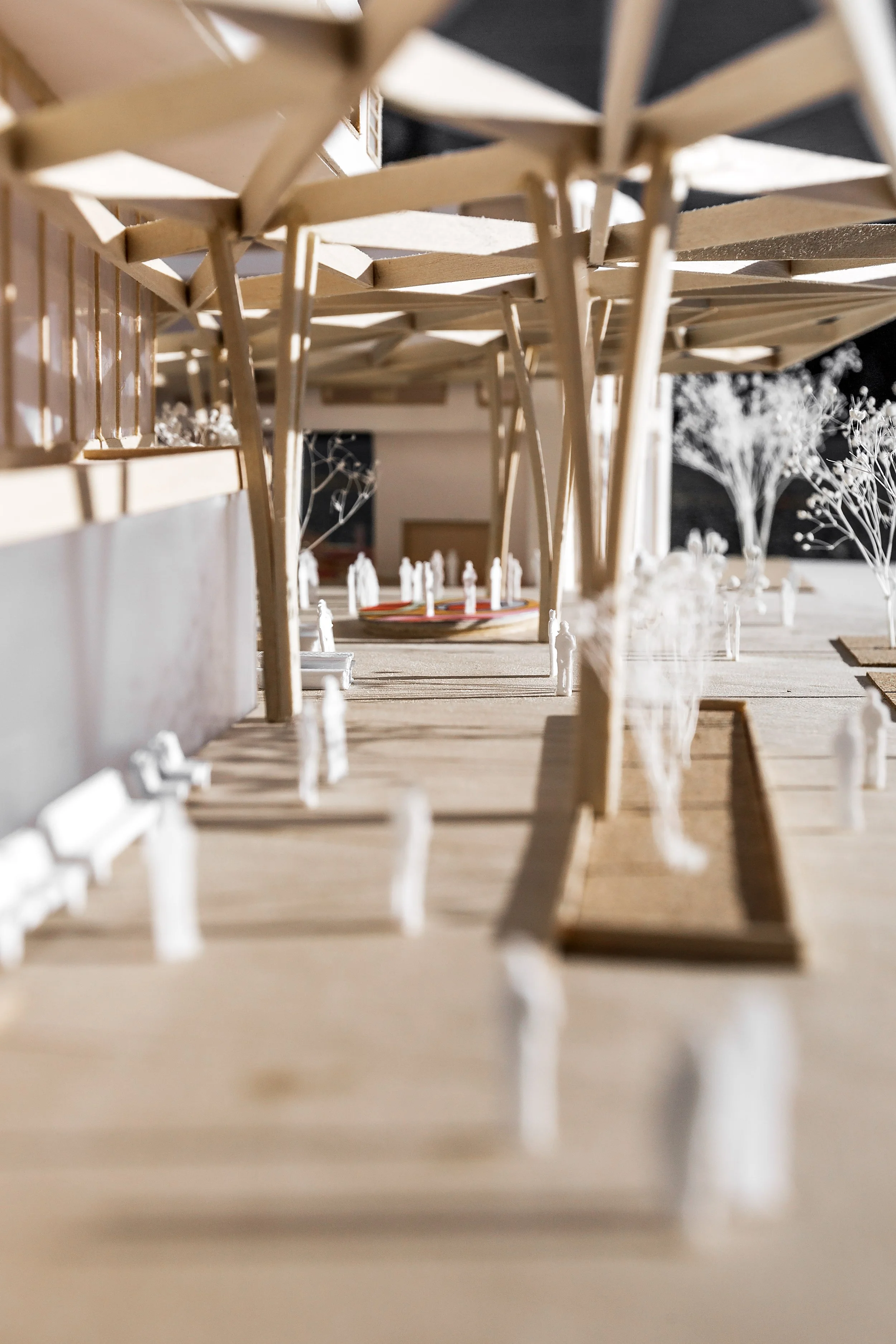
Design Model. Seattle, Washington
