
Most office buildings ask you to have a reason to enter.
400 Fairview does not.
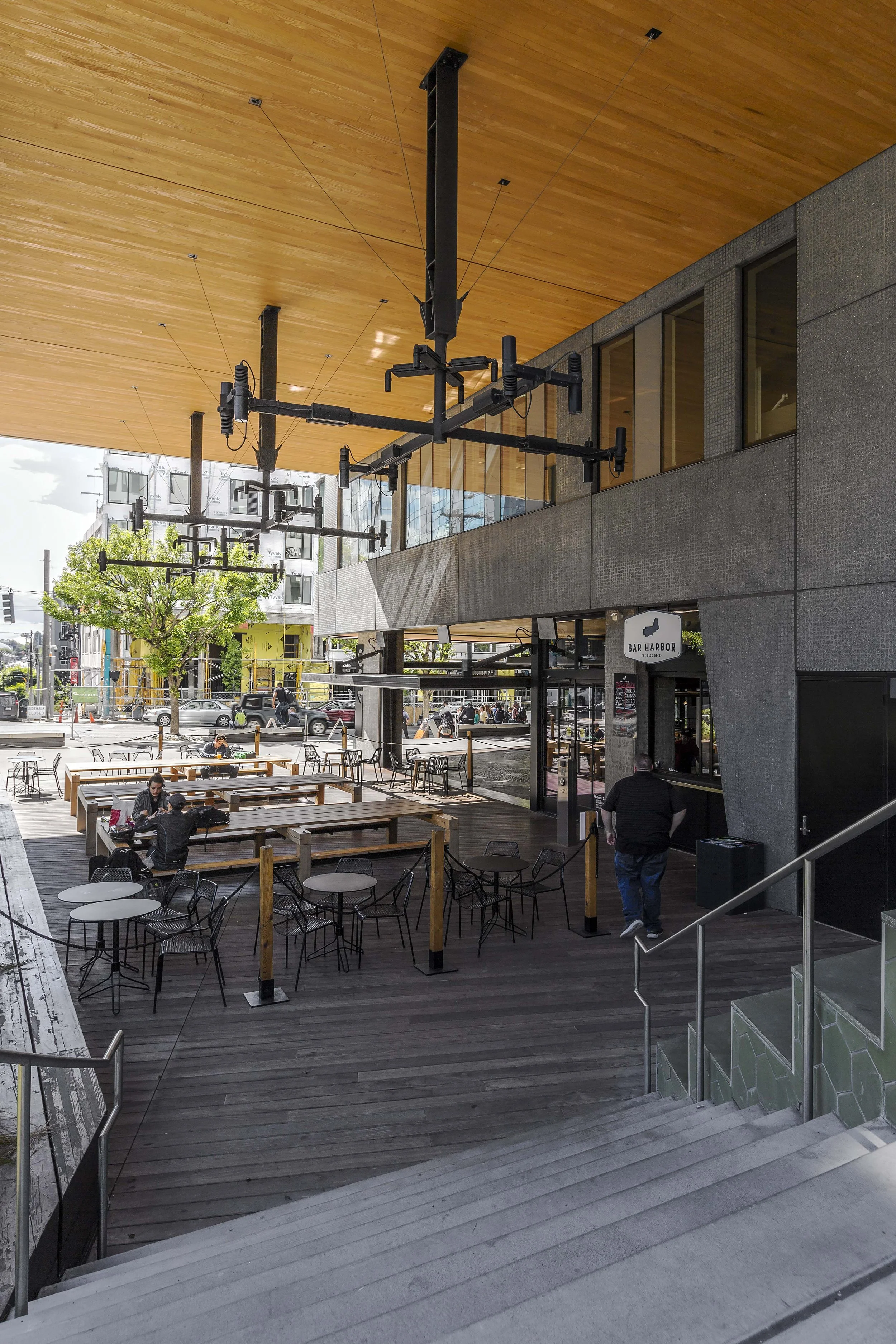
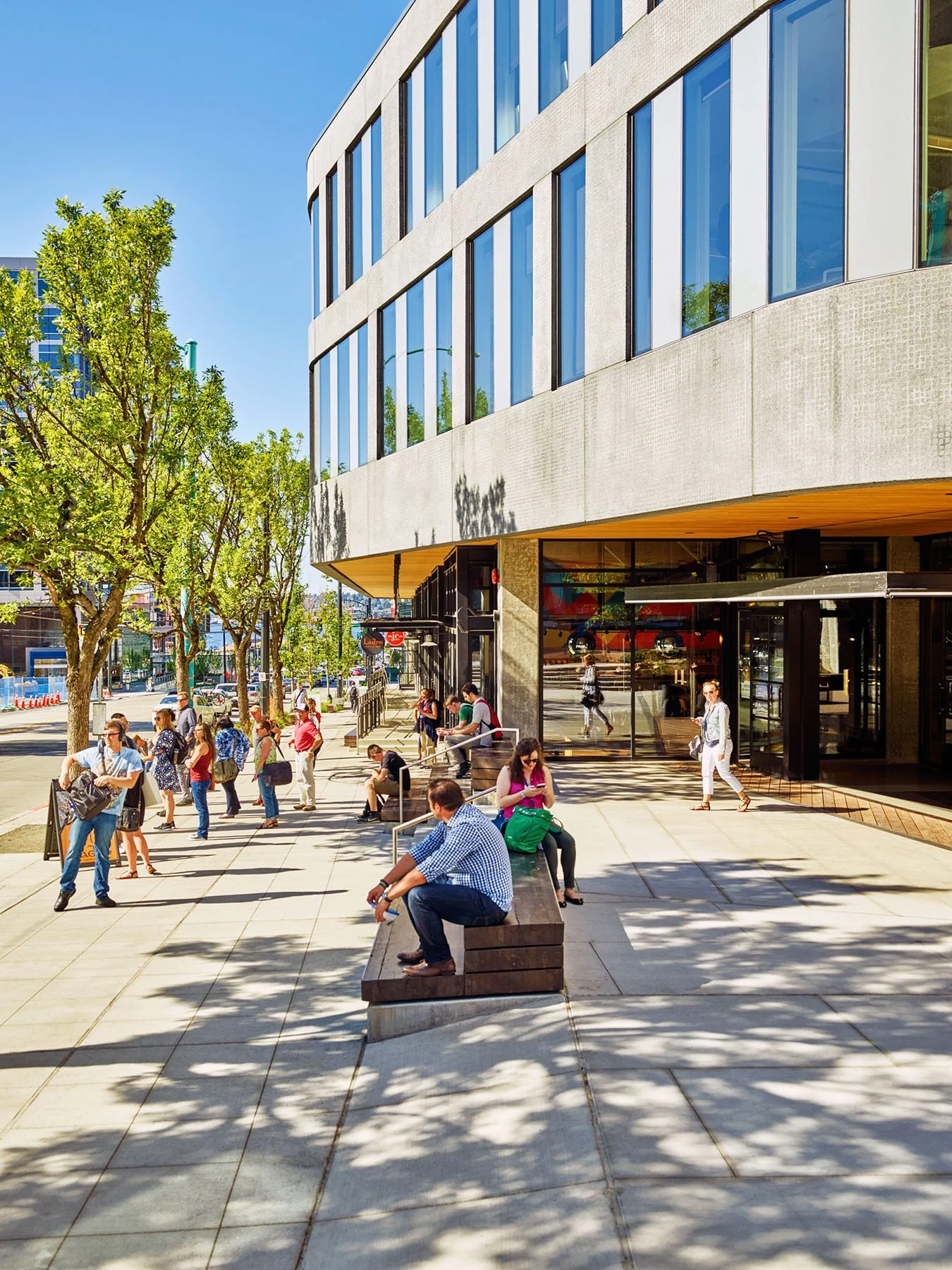
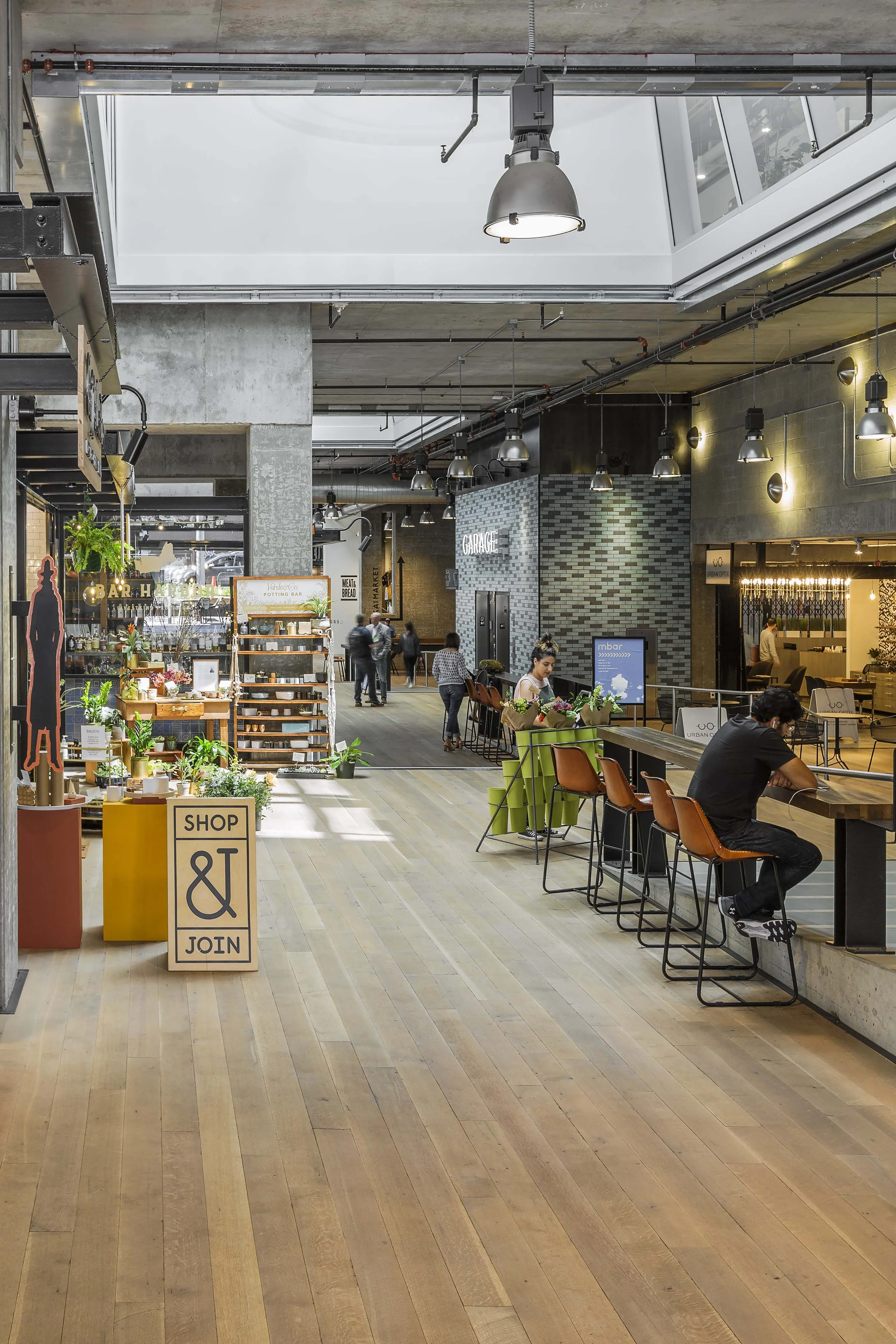
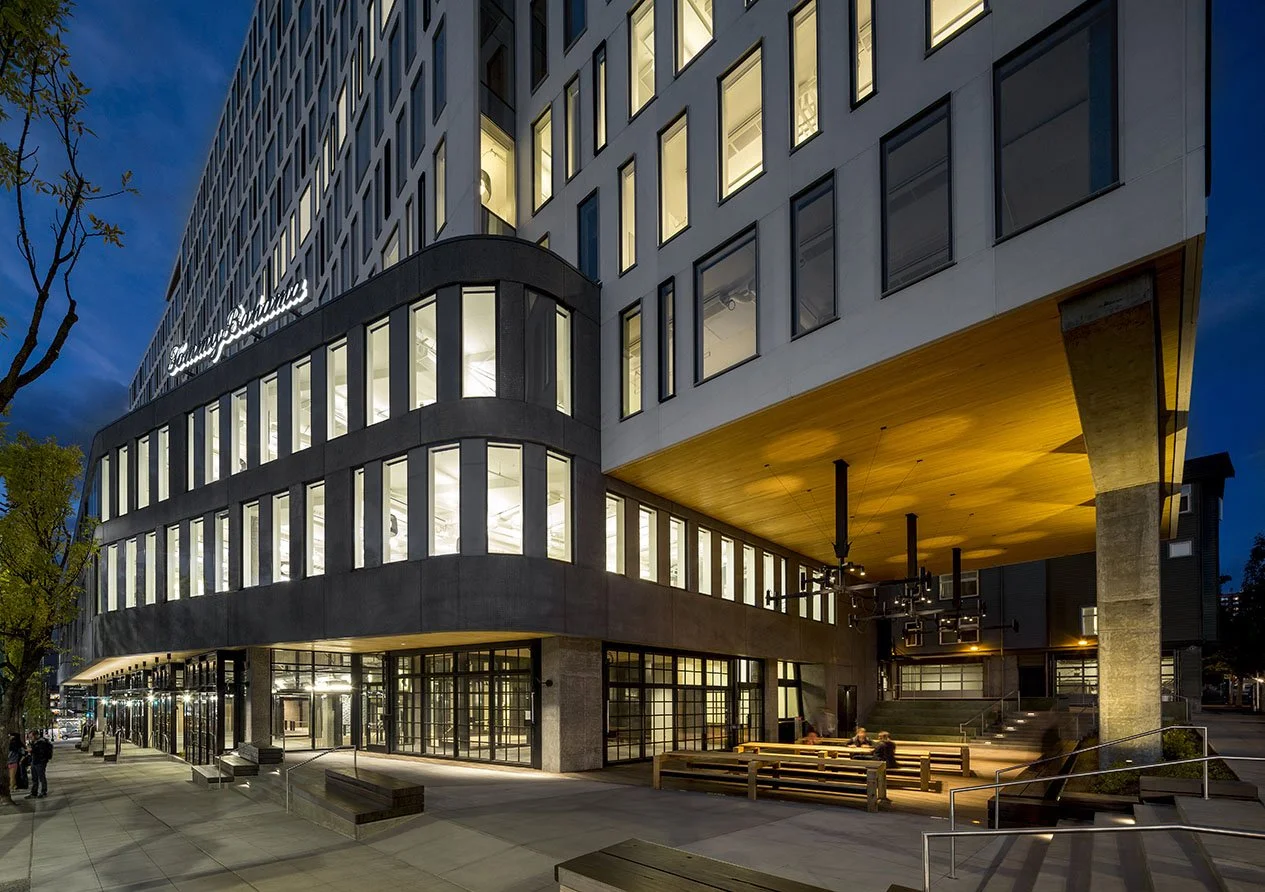
At street level, doors open from every side of the block. The Hall runs between them, bringing shops, food, office workers, neighbors, and people simply passing through into the same place. The alley becomes another entrance. A plaza gives the building room to spill outside.
The offices rise above all of this, but the first experience of 400 Fairview belongs to the street.
Seattle, WA
Retail: 15,000 SF
Office: 327,000 SF
Commercial, Mixed Use
High-Rise
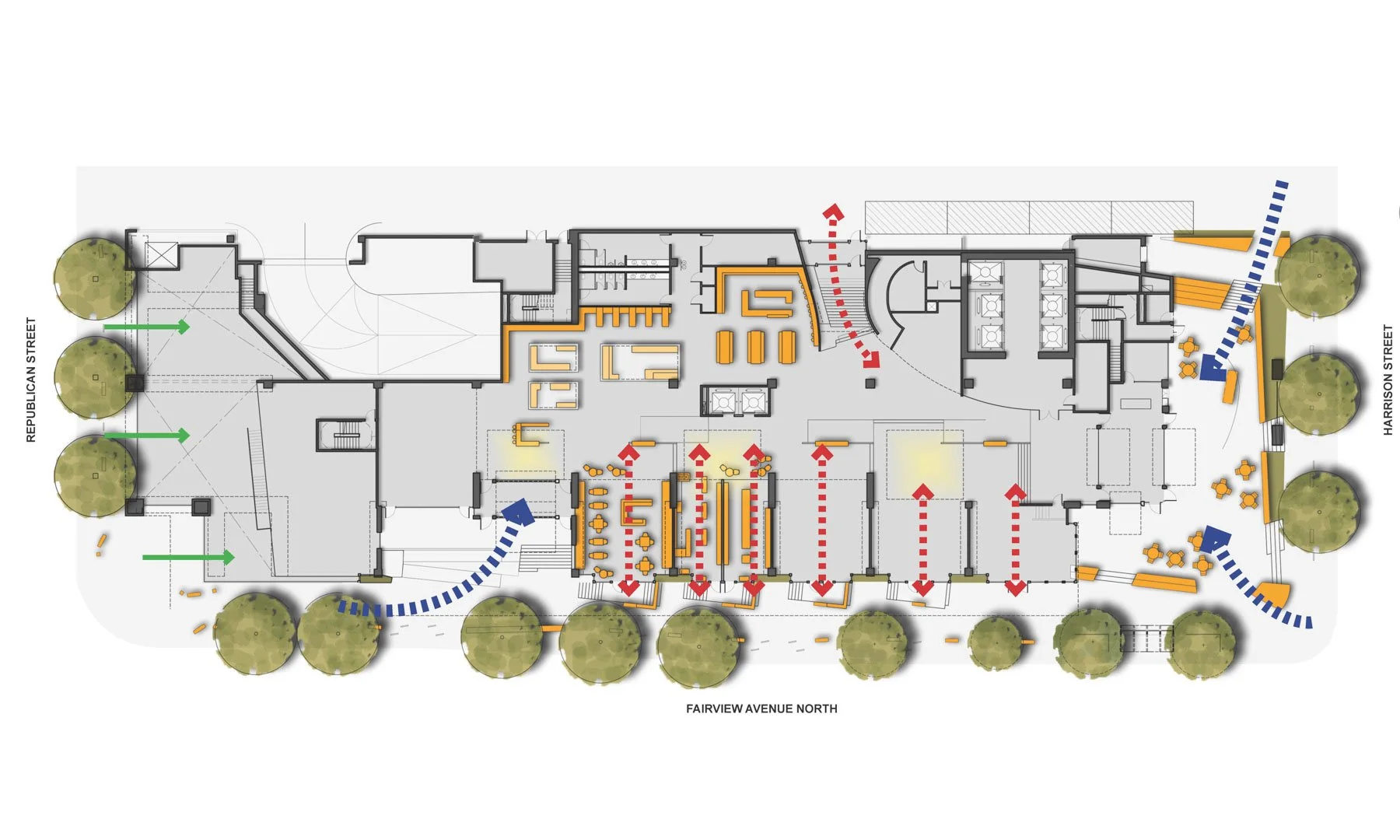
Diagram of the ground plane porosity
Concept
The conventional office tower puts its most valuable space behind a front door.
We wanted to see what would happen if the ground floor worked differently.
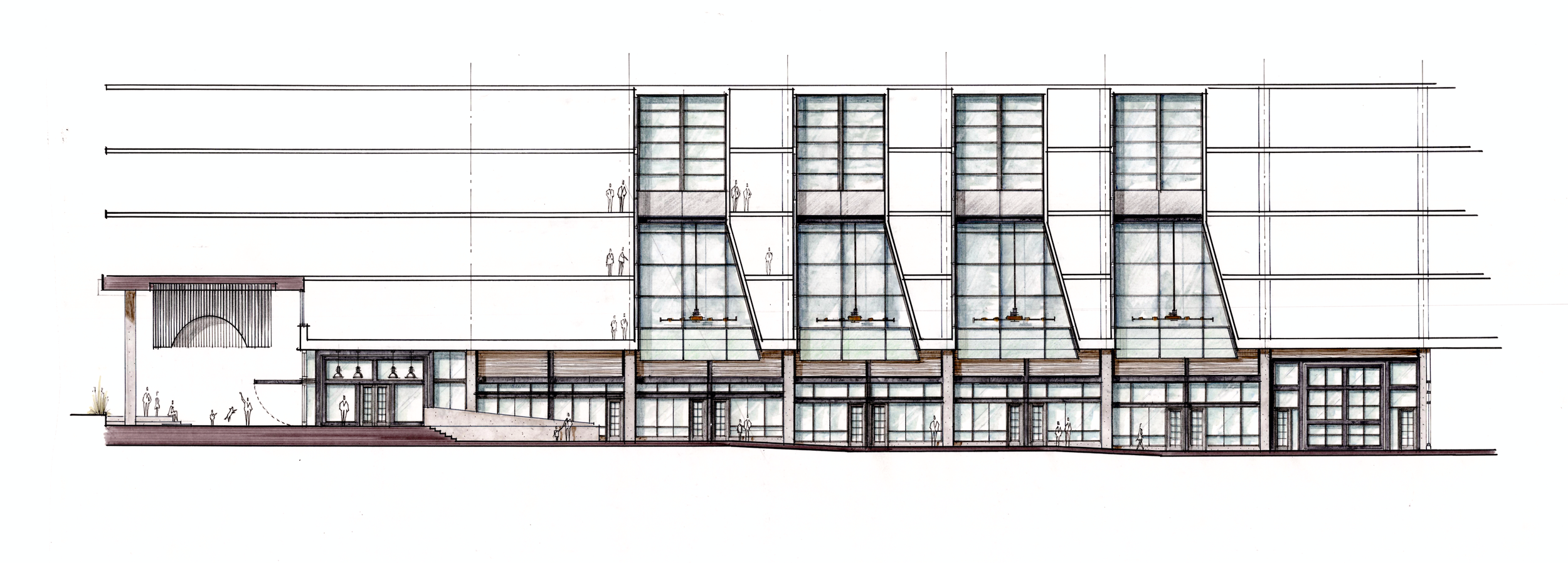
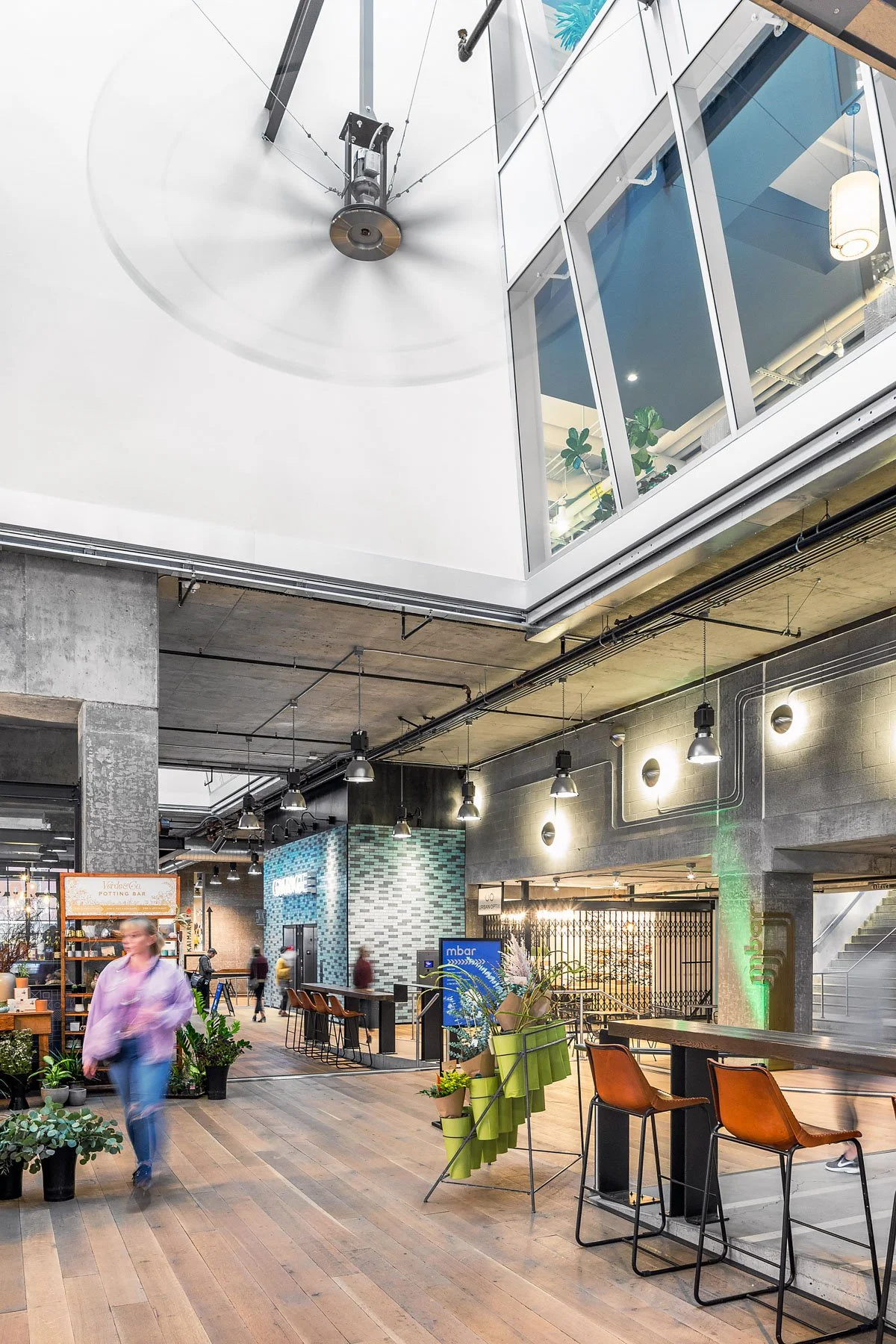
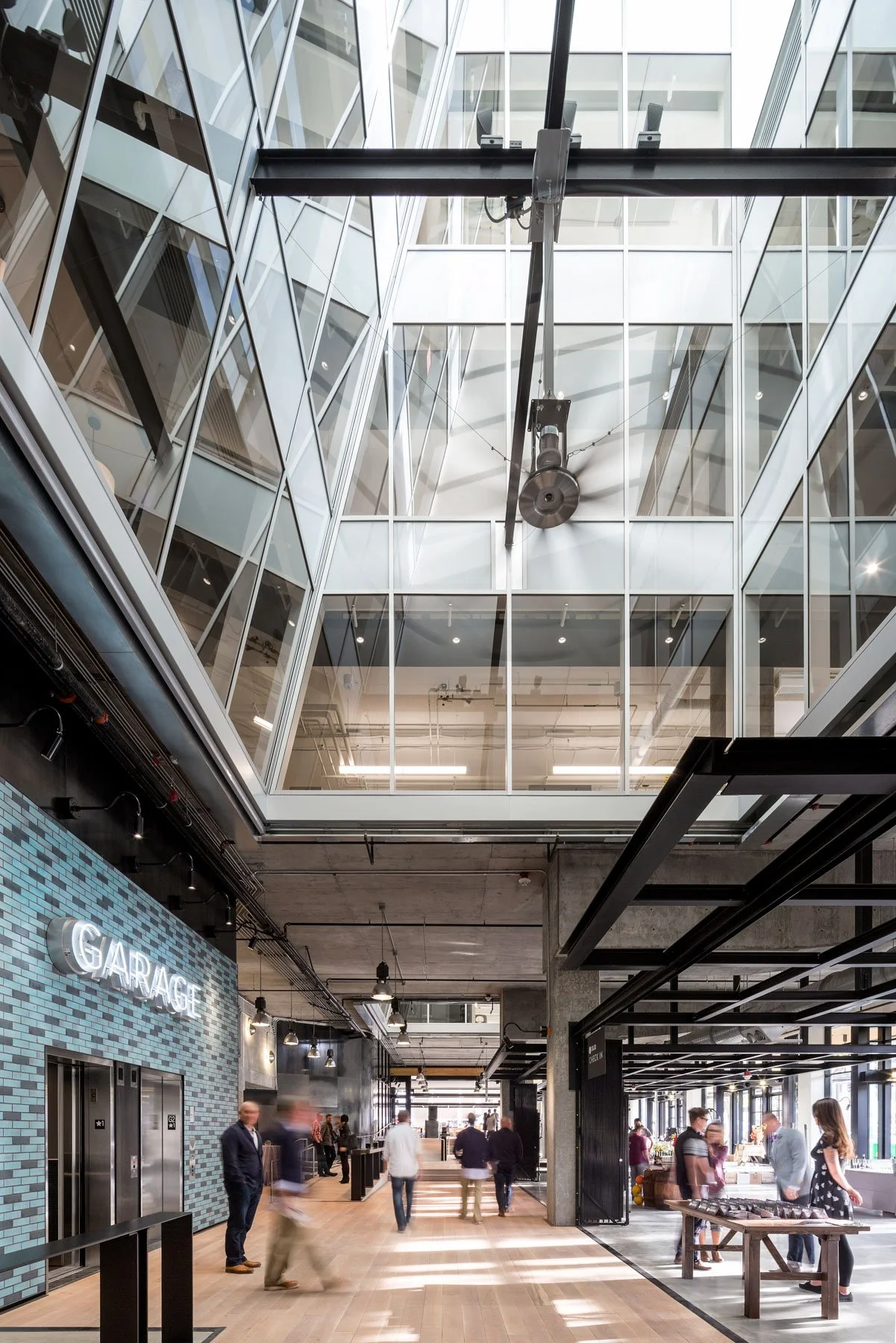
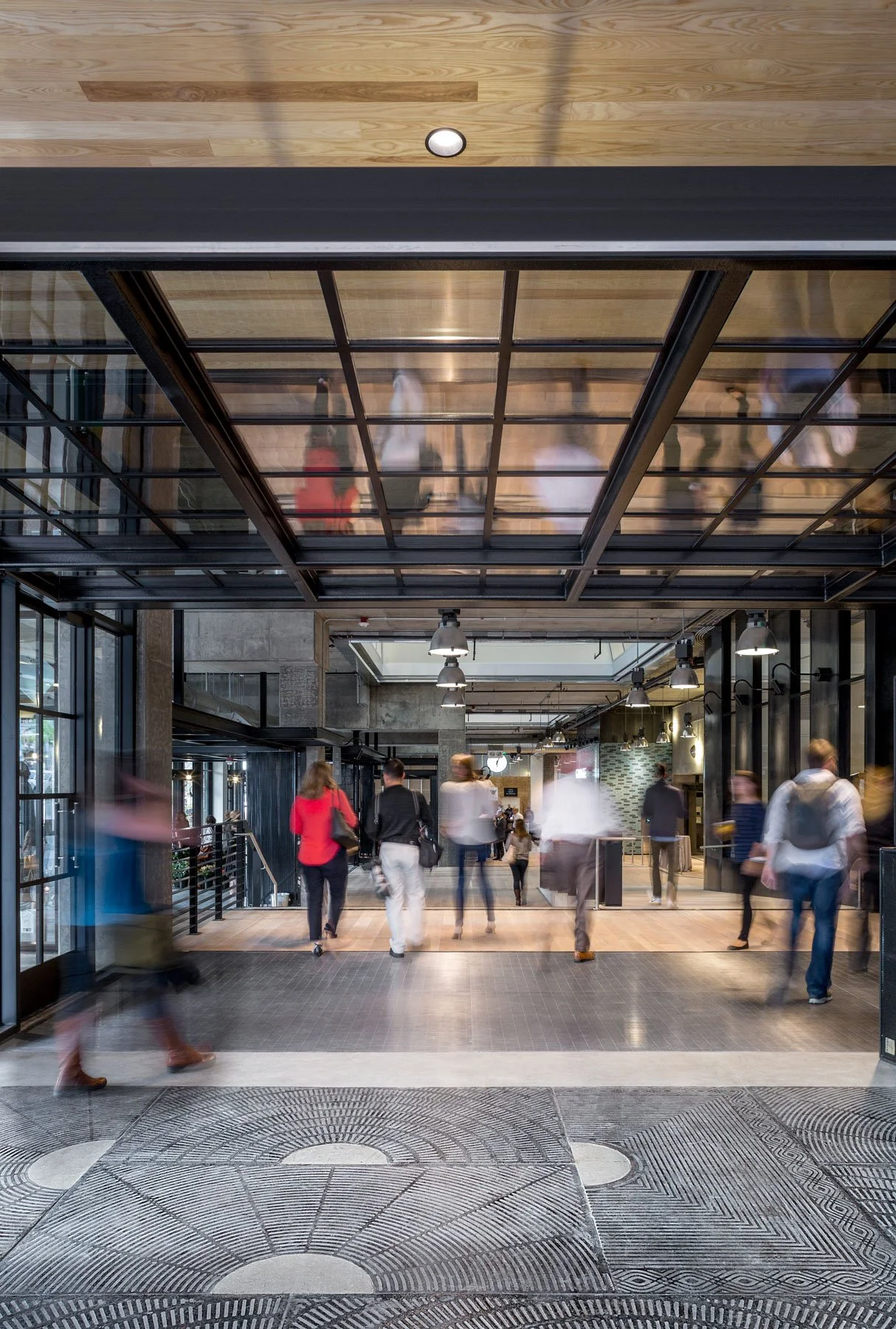
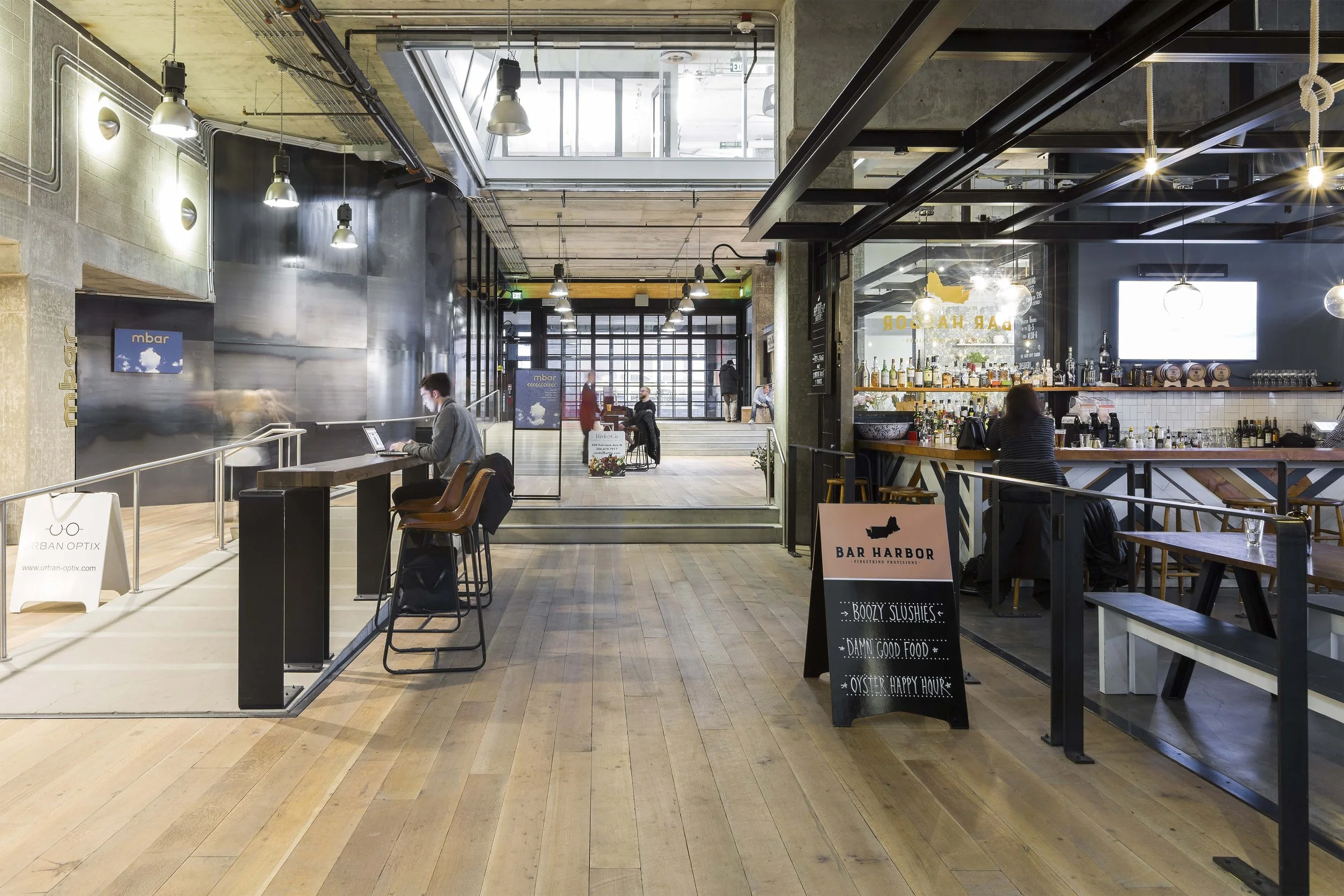
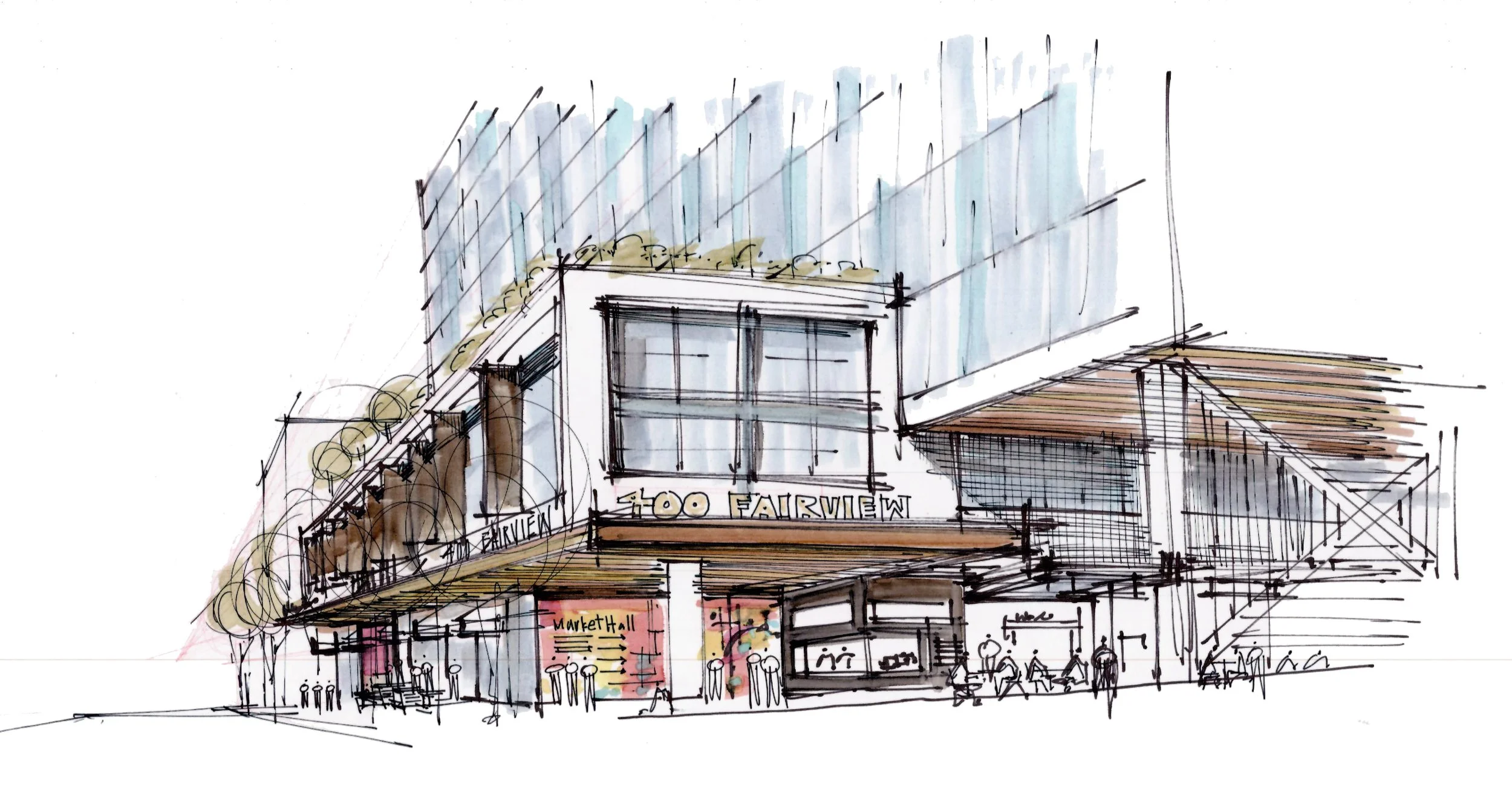
The Hall stretches through the block with entrances from Fairview, the adjoining streets, the plaza, and the alley. Retail sits alongside paths people were already likely to take. Three tall glazed monitors bring daylight deep inside and open views between floors. At the midpoint of the block, another passage gives pedestrians a way through rather than asking them to walk around.
The result is a ground floor that can be used without working upstairs. You can meet someone, pick something up, eat, cross the block, or stay for a while.
The office building begins with people who may never enter the office. This enhances its commercial viability.
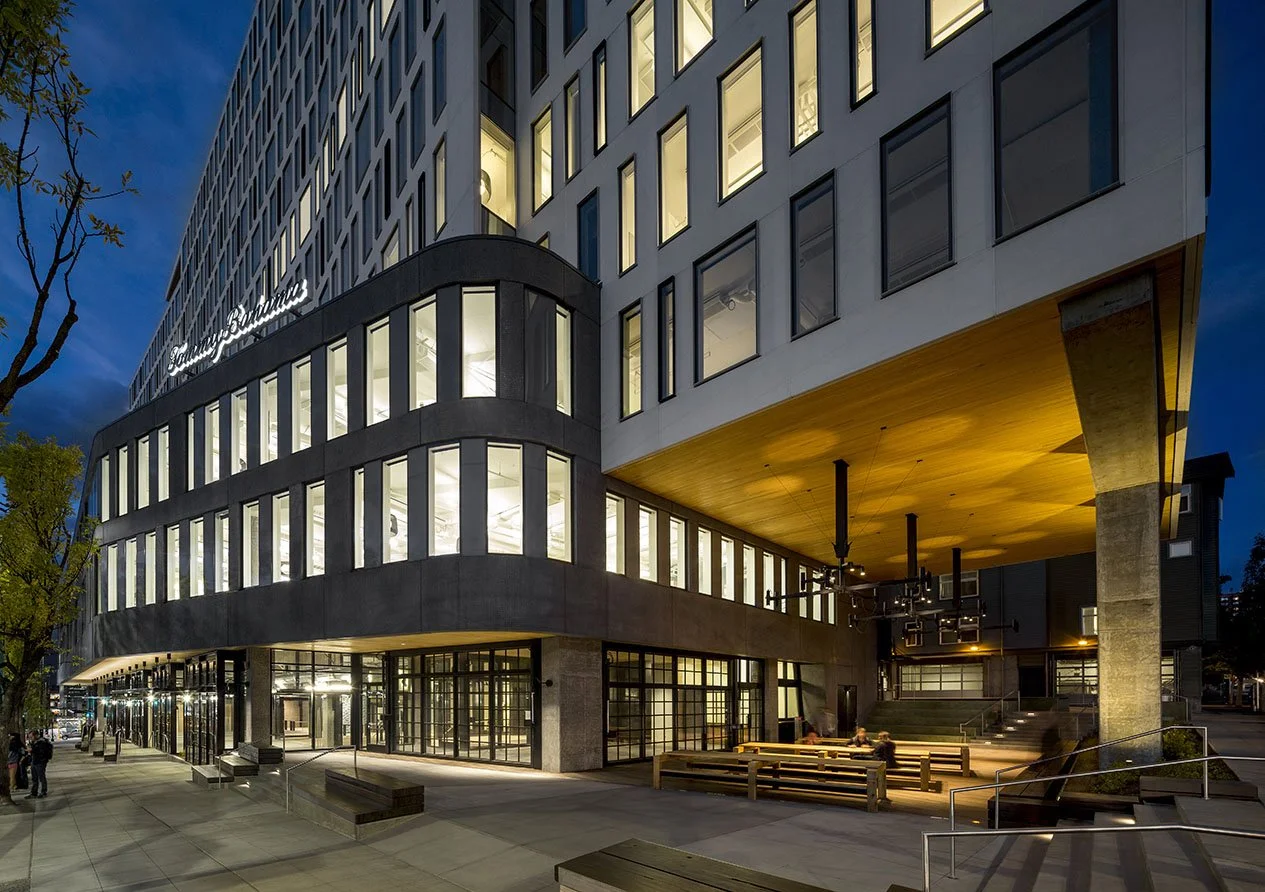
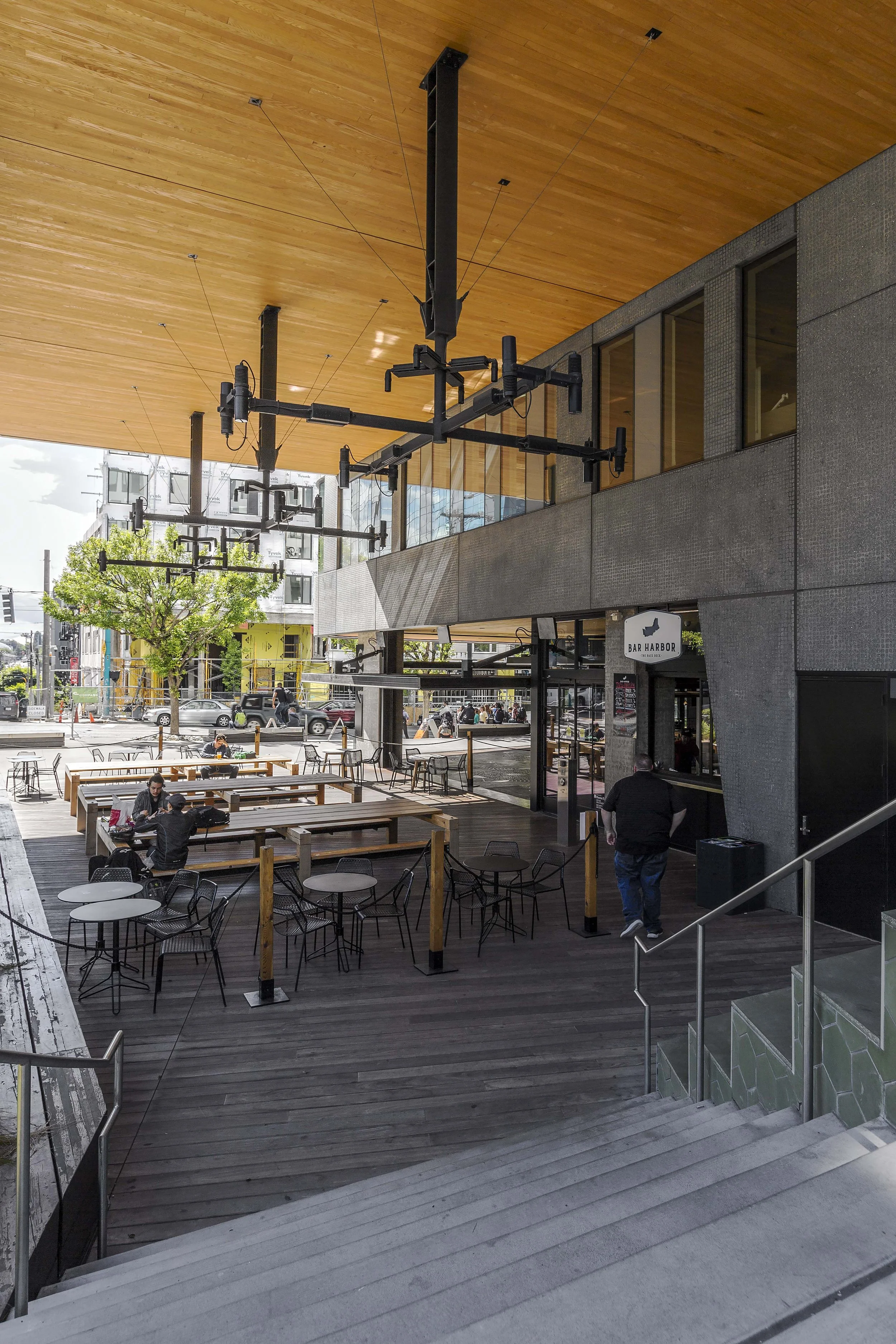
400 Fairview opens the base of the Seattle office building to the street, with retail, food, seating, and a sheltered outdoor room extending activity beyond the workplace above.
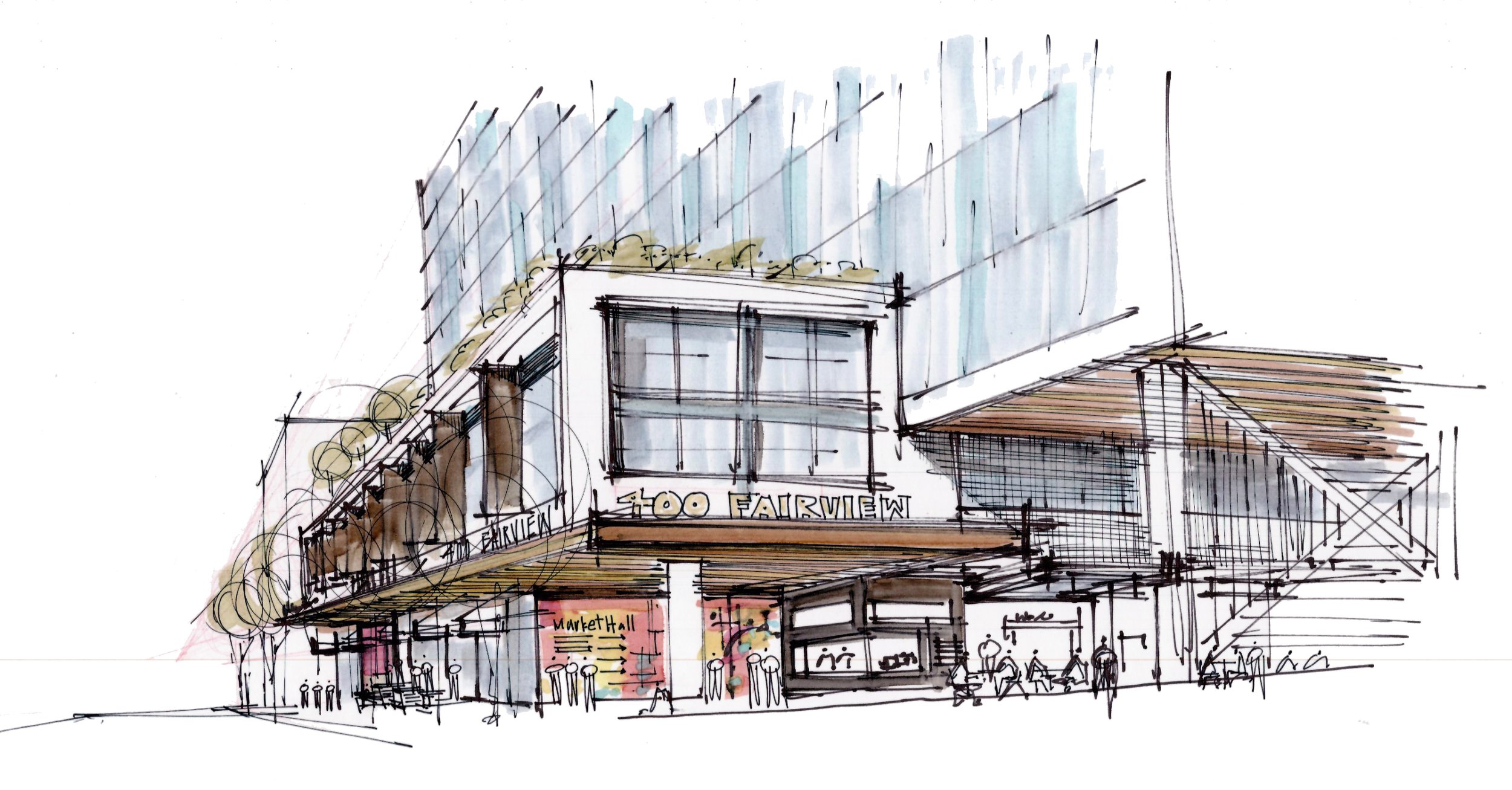
A way through.
The Hall is not a lobby. It is part of the route through the neighborhood.
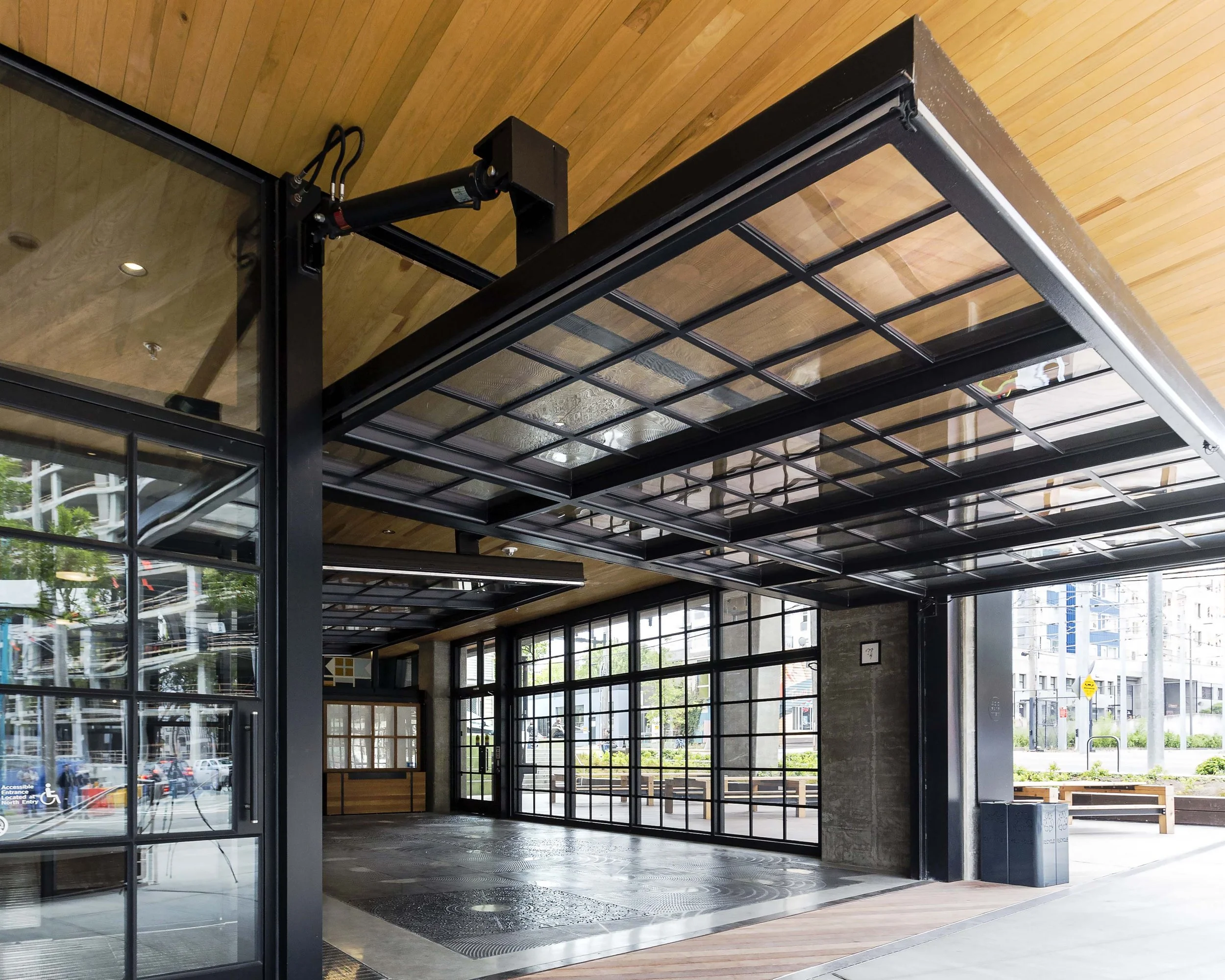
Large openings connect it to the sidewalk, plaza, and alley. Shops and places to eat sit along the way. Sheltered exterior spaces extend activity beyond the building line, while daylight from above makes the interior feel connected to the outside.
That openness changes who gets to use the ground floor. Office workers share it with neighbors, visitors, shoppers, and people taking a shortcut through the block.
“At 400 Fairview they wanted to approach the ground plane first to create vibrancy in that tower, to support the neighborhood and create amenities for tenants”
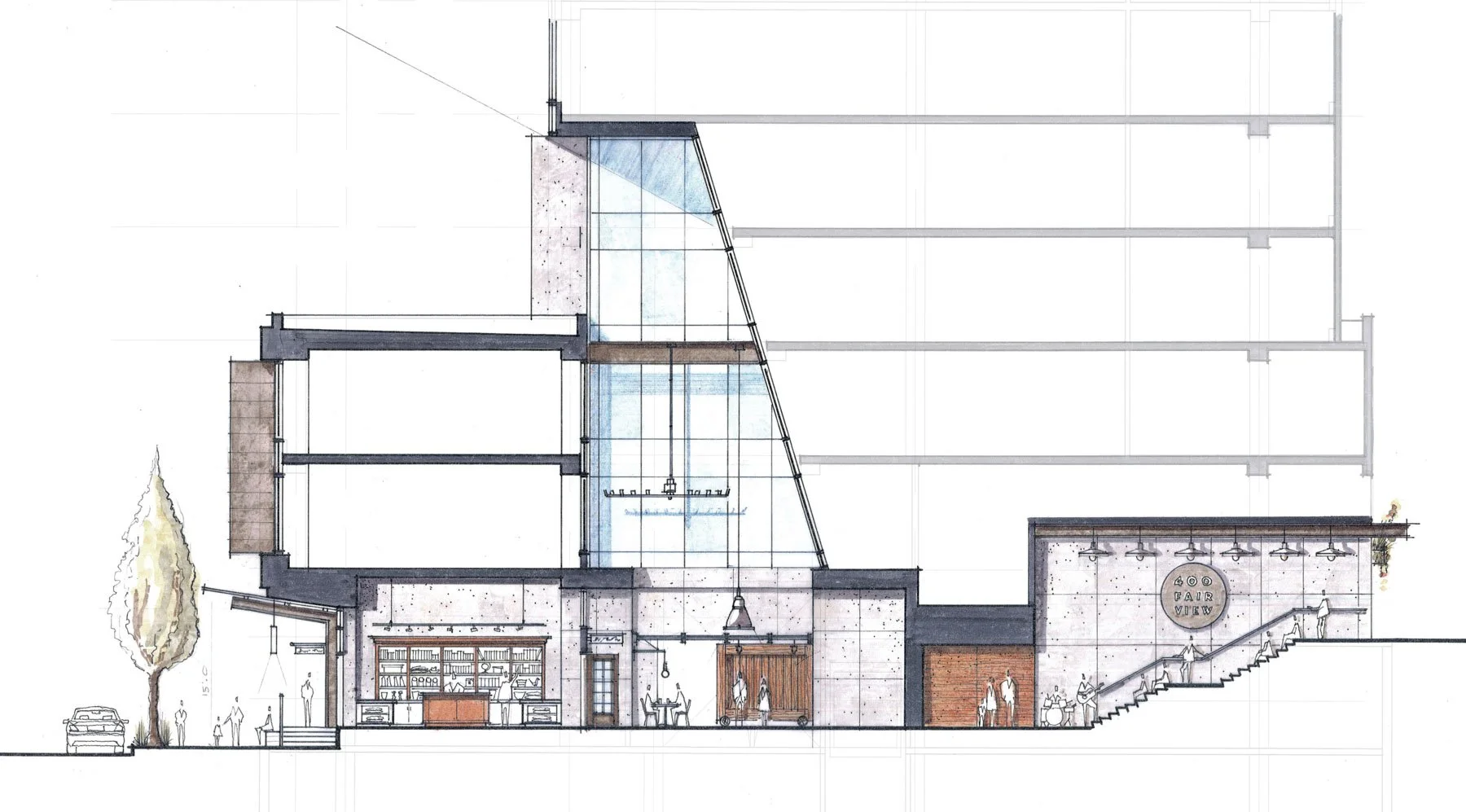
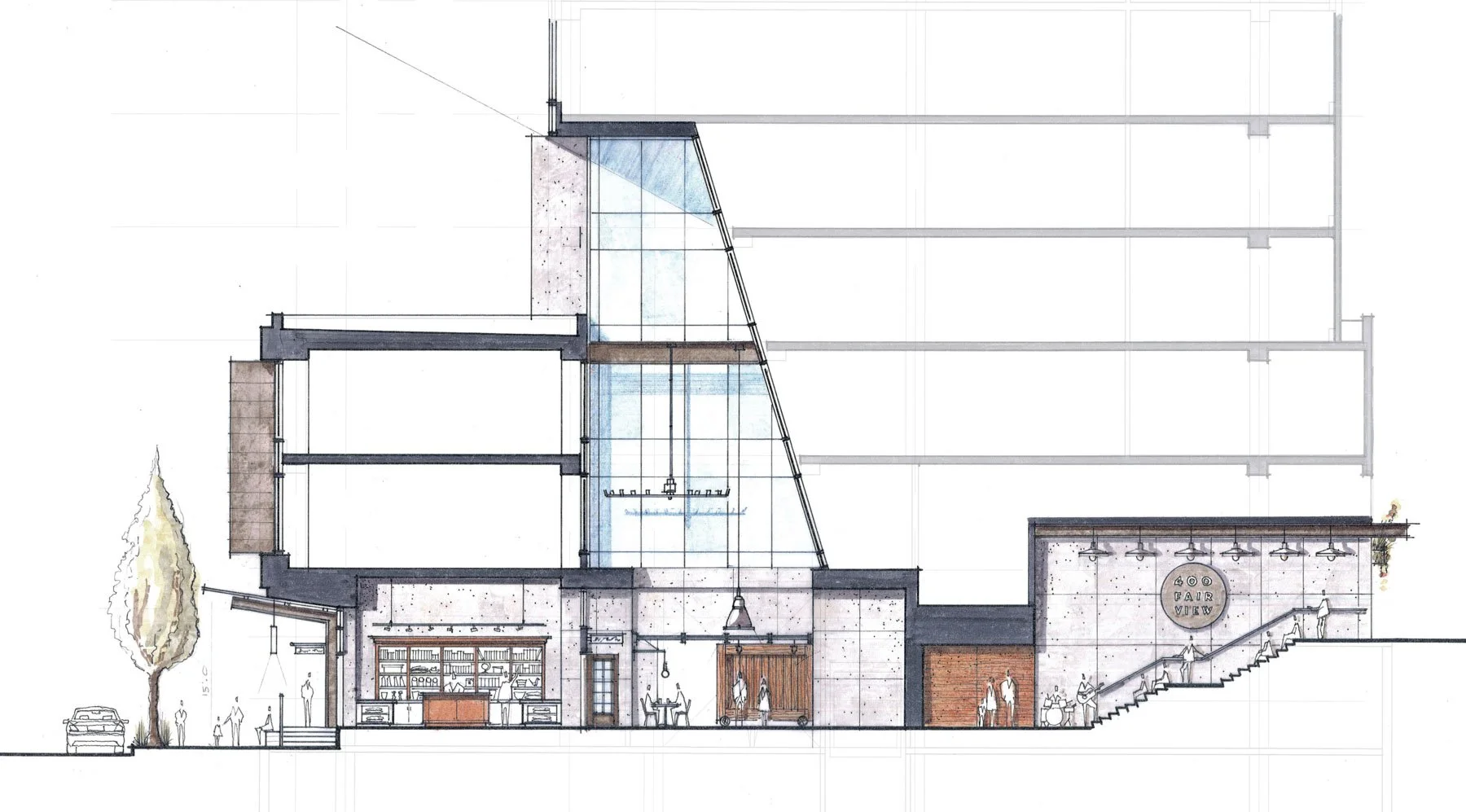
An early SkB Architects section study explores how light monitors could bring daylight deep into 400 Fairview, connecting the workplace above with the retail and public spaces at ground level.
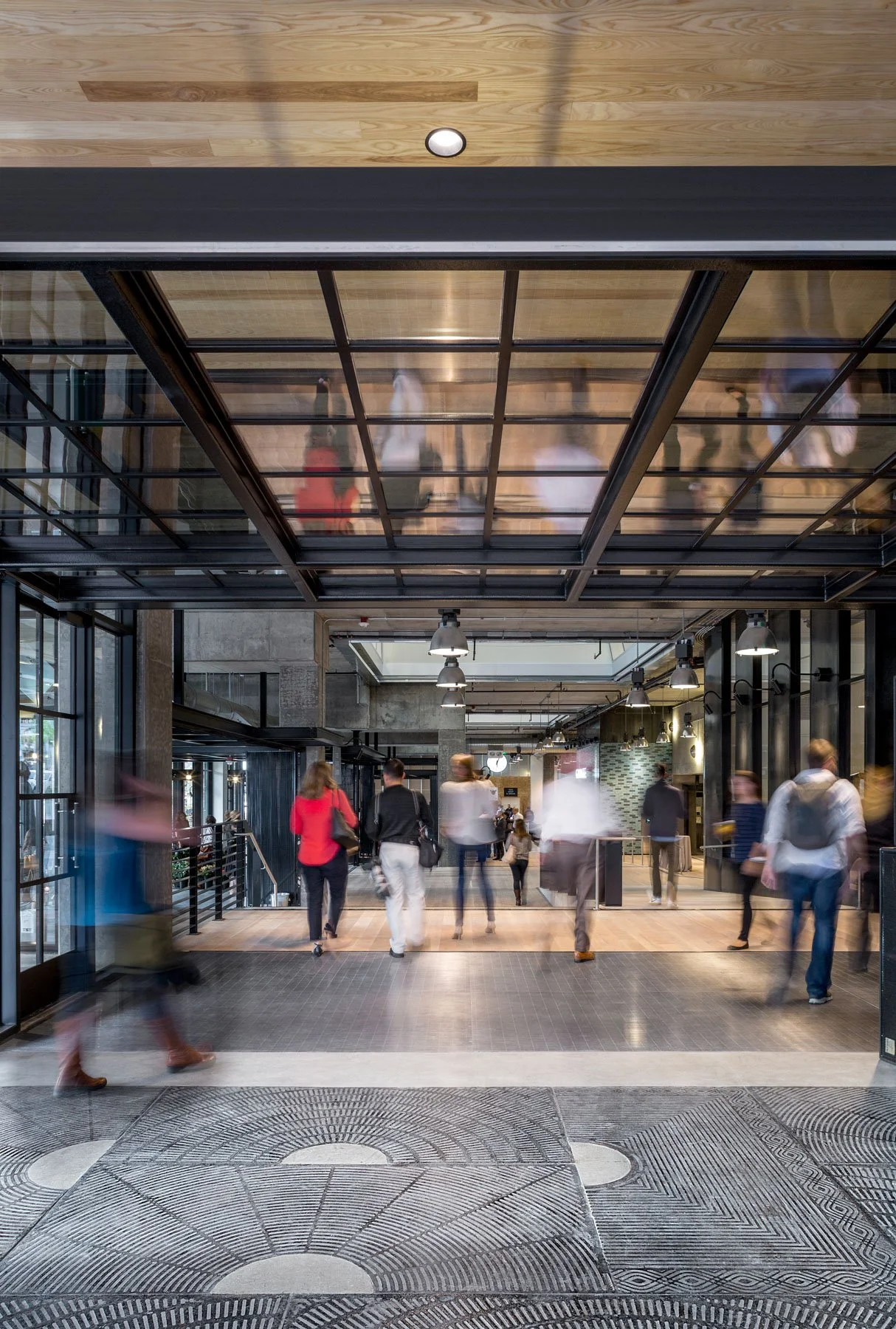
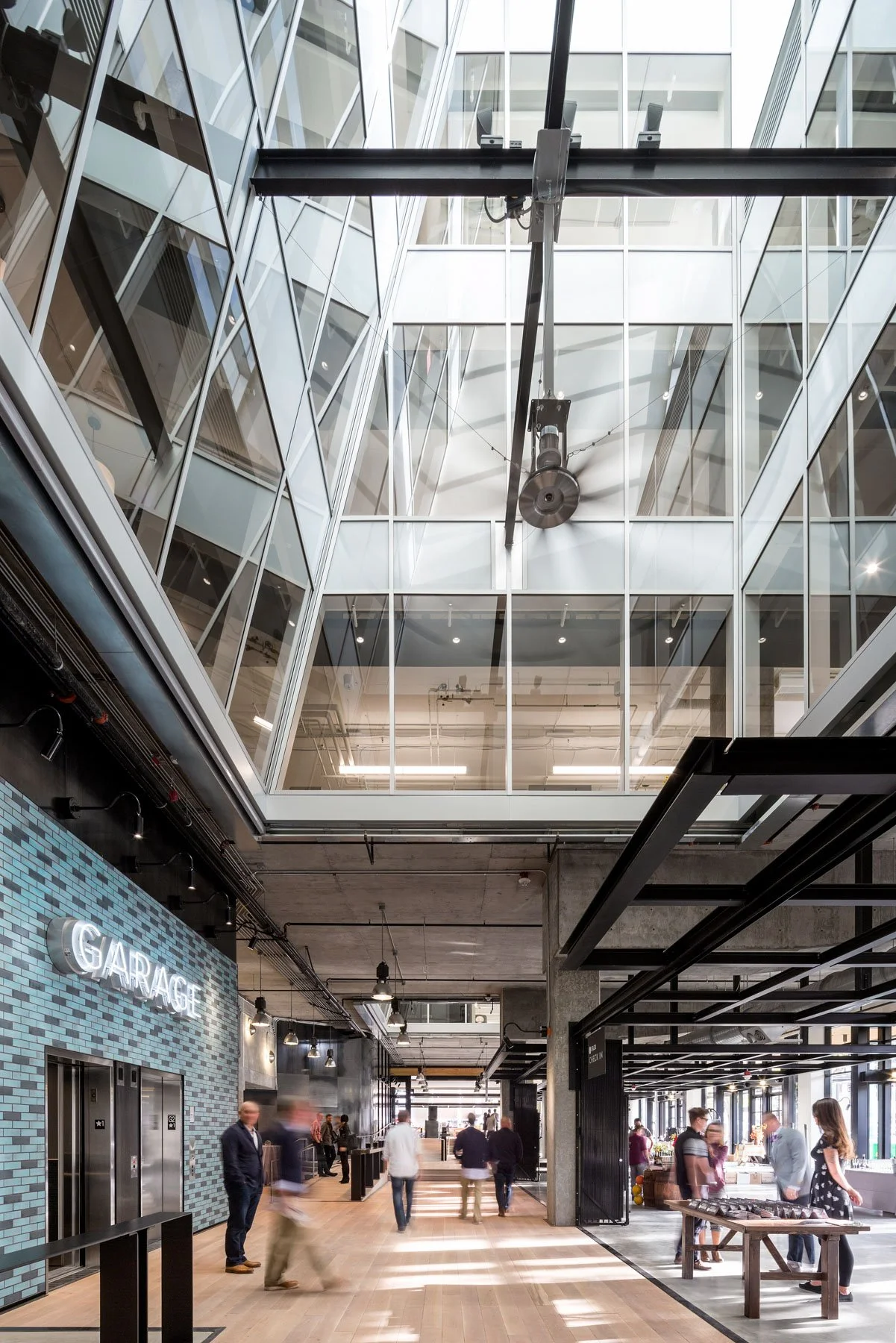
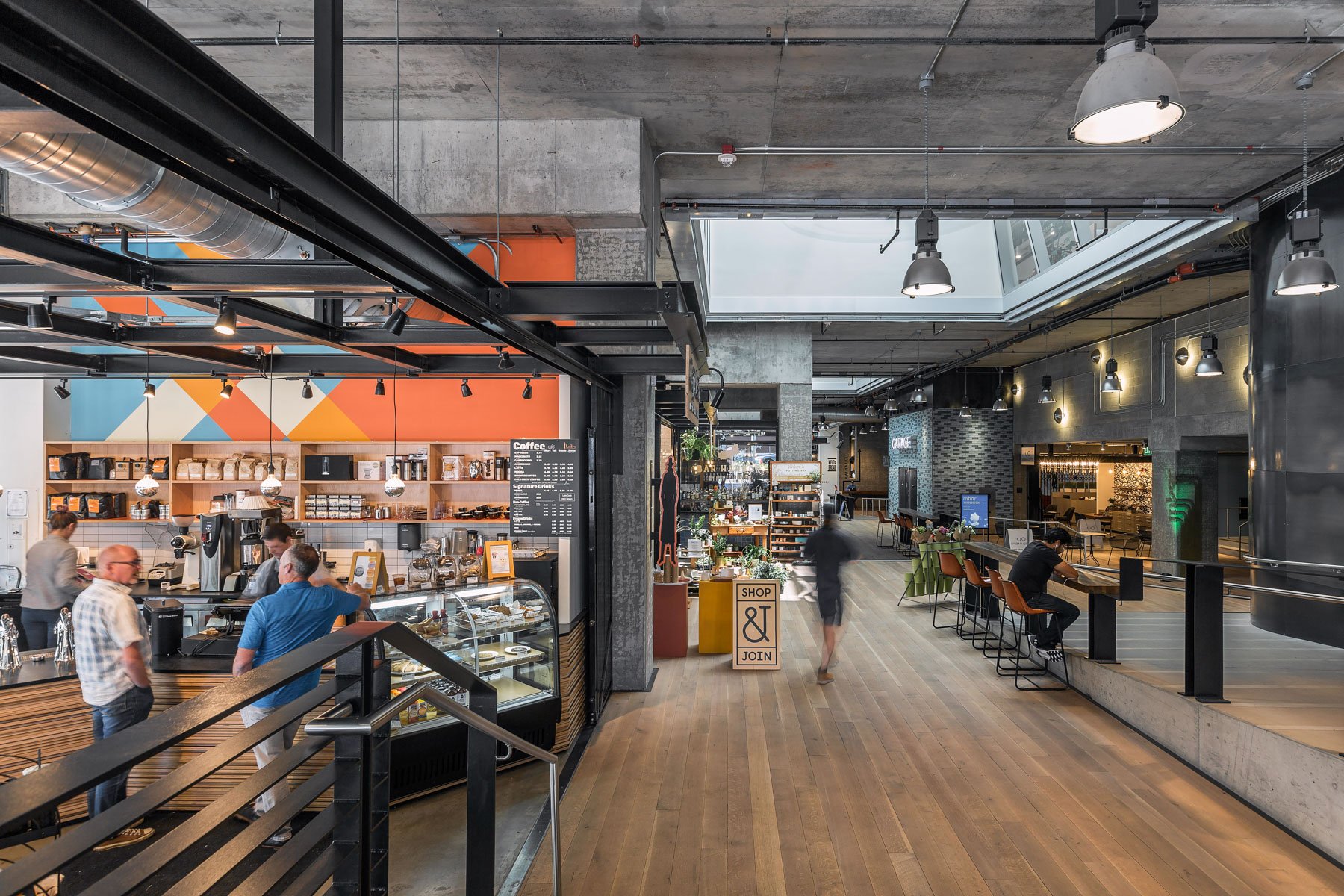
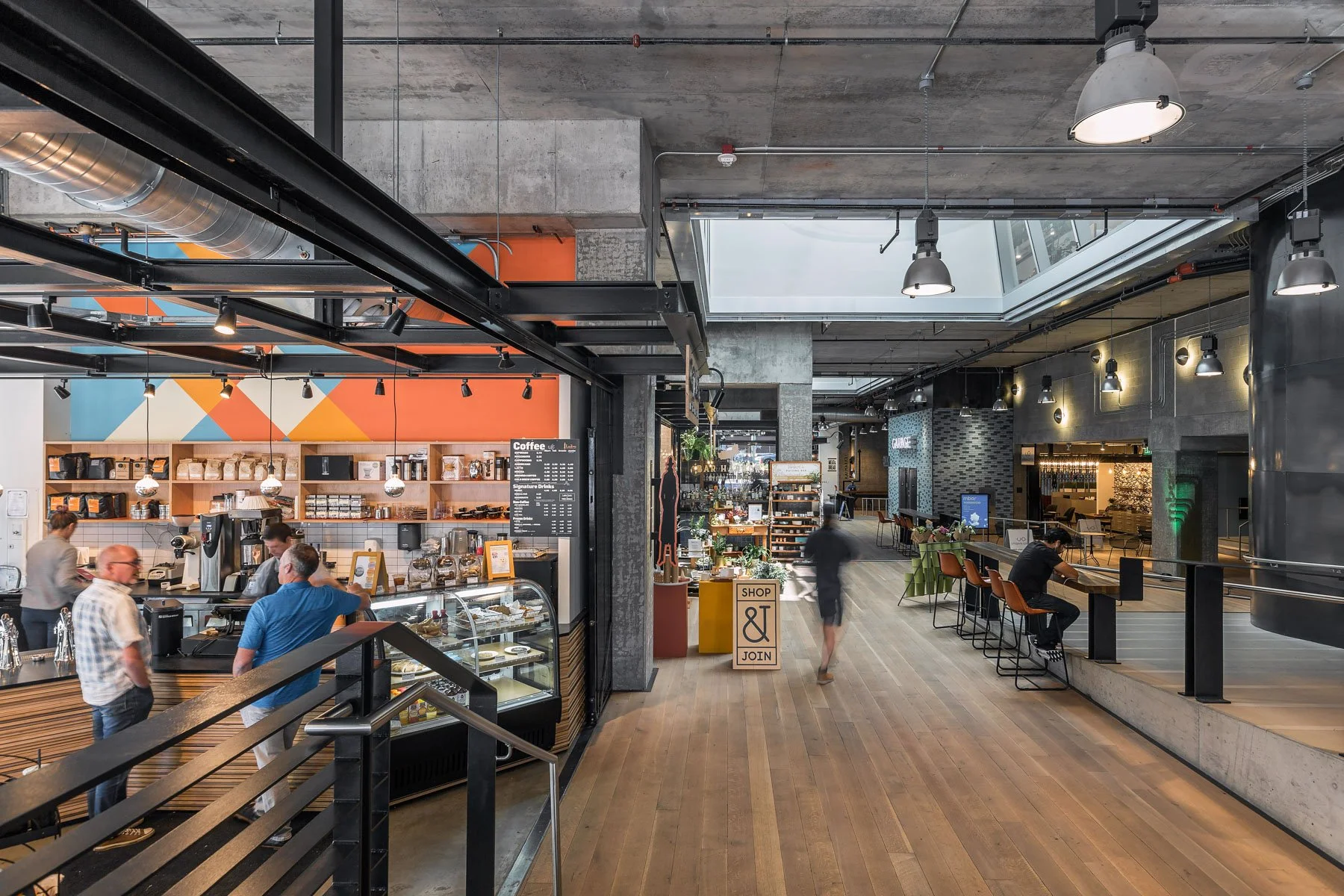
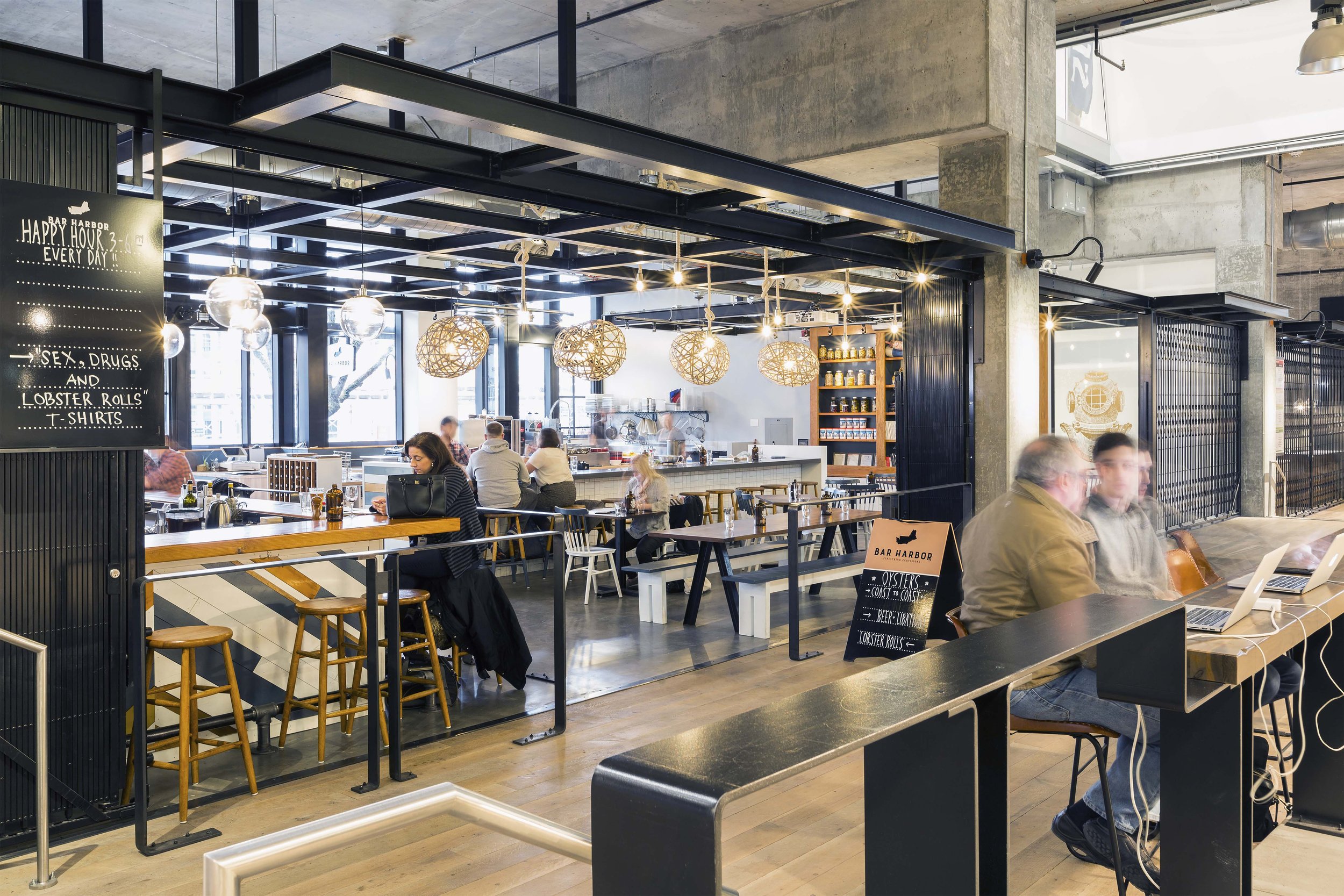
The ground floor of 400 Fairview brings coffee, food, retail, and places to work or meet into the daily route through the South Lake Union office building.
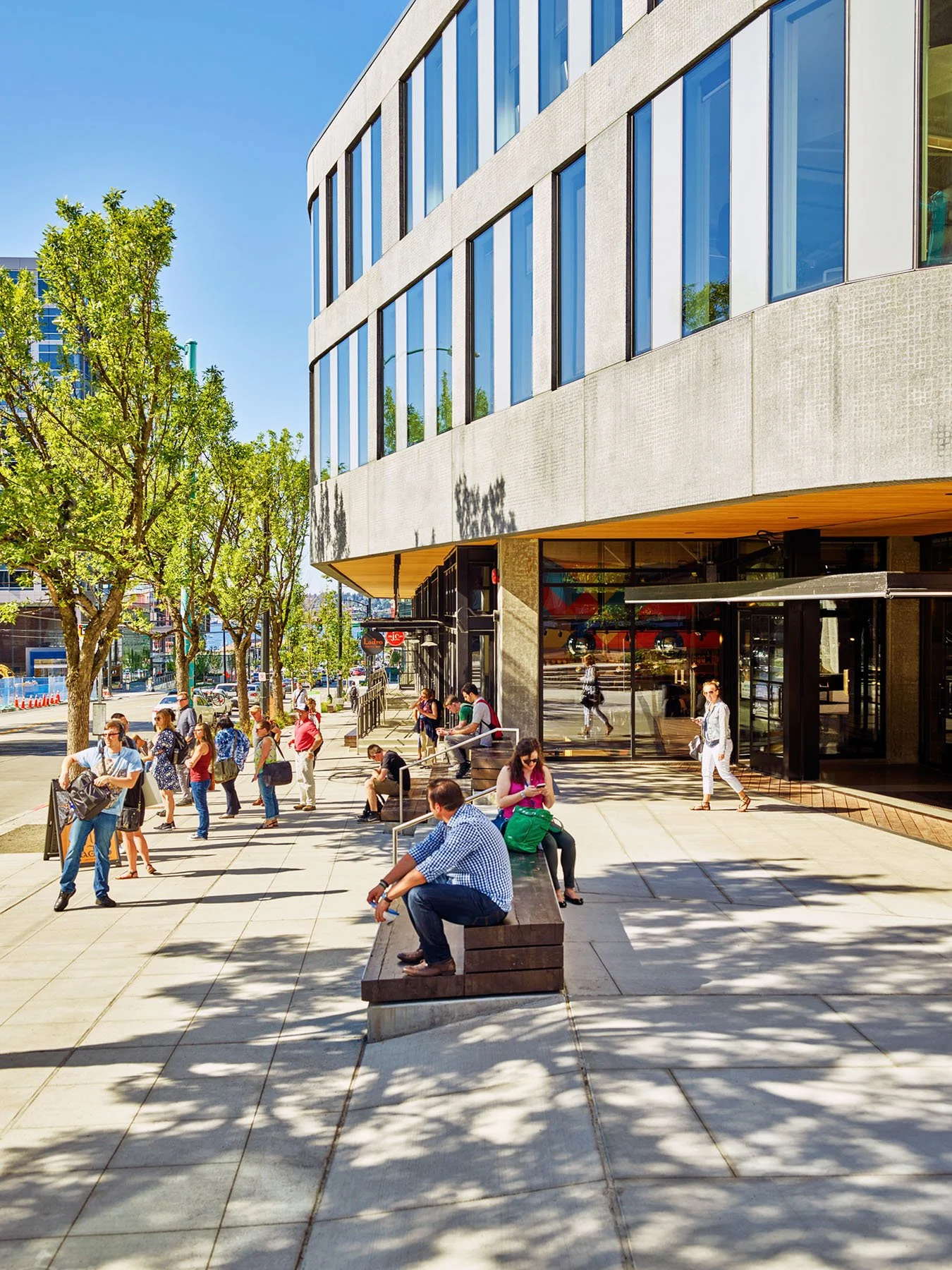
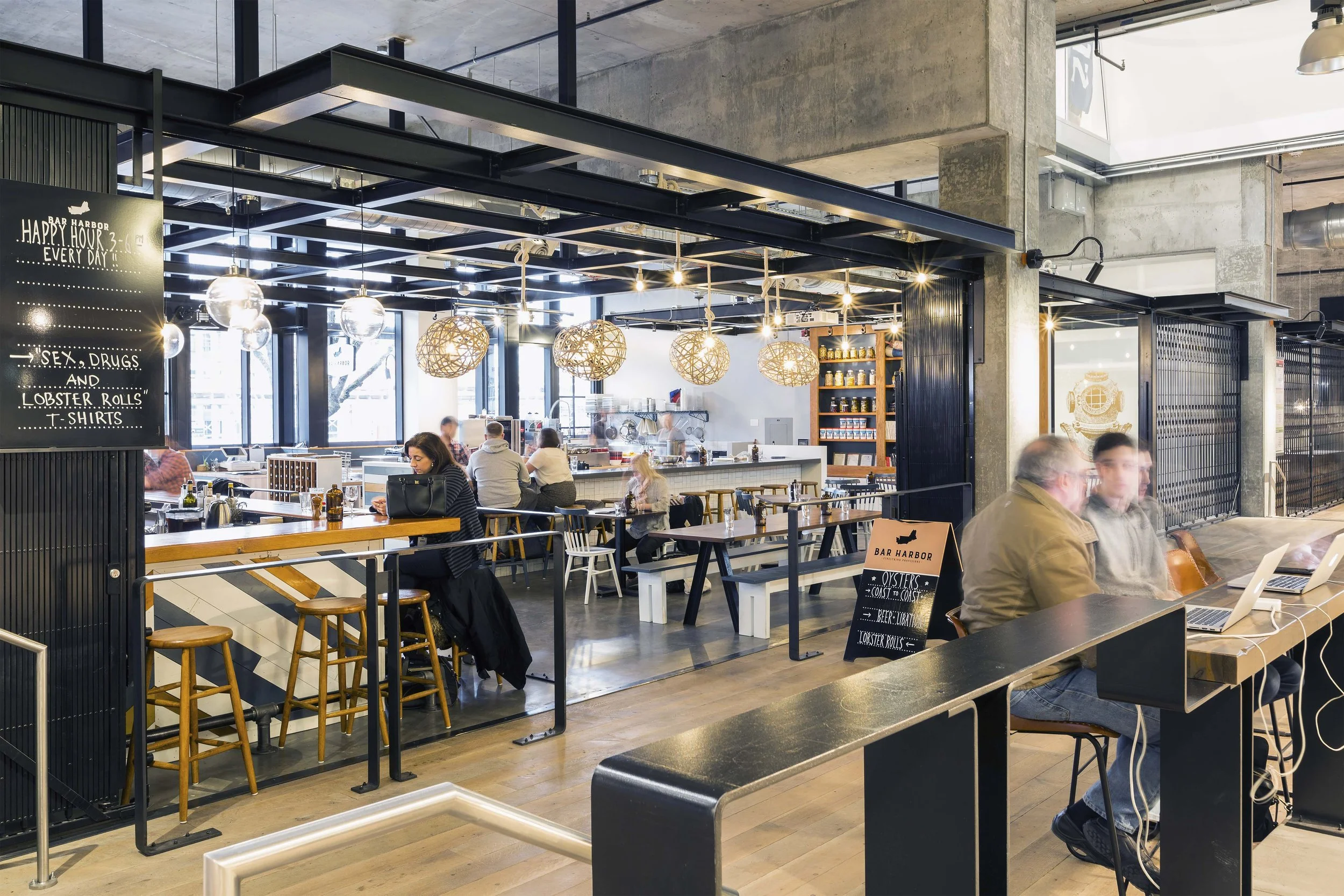
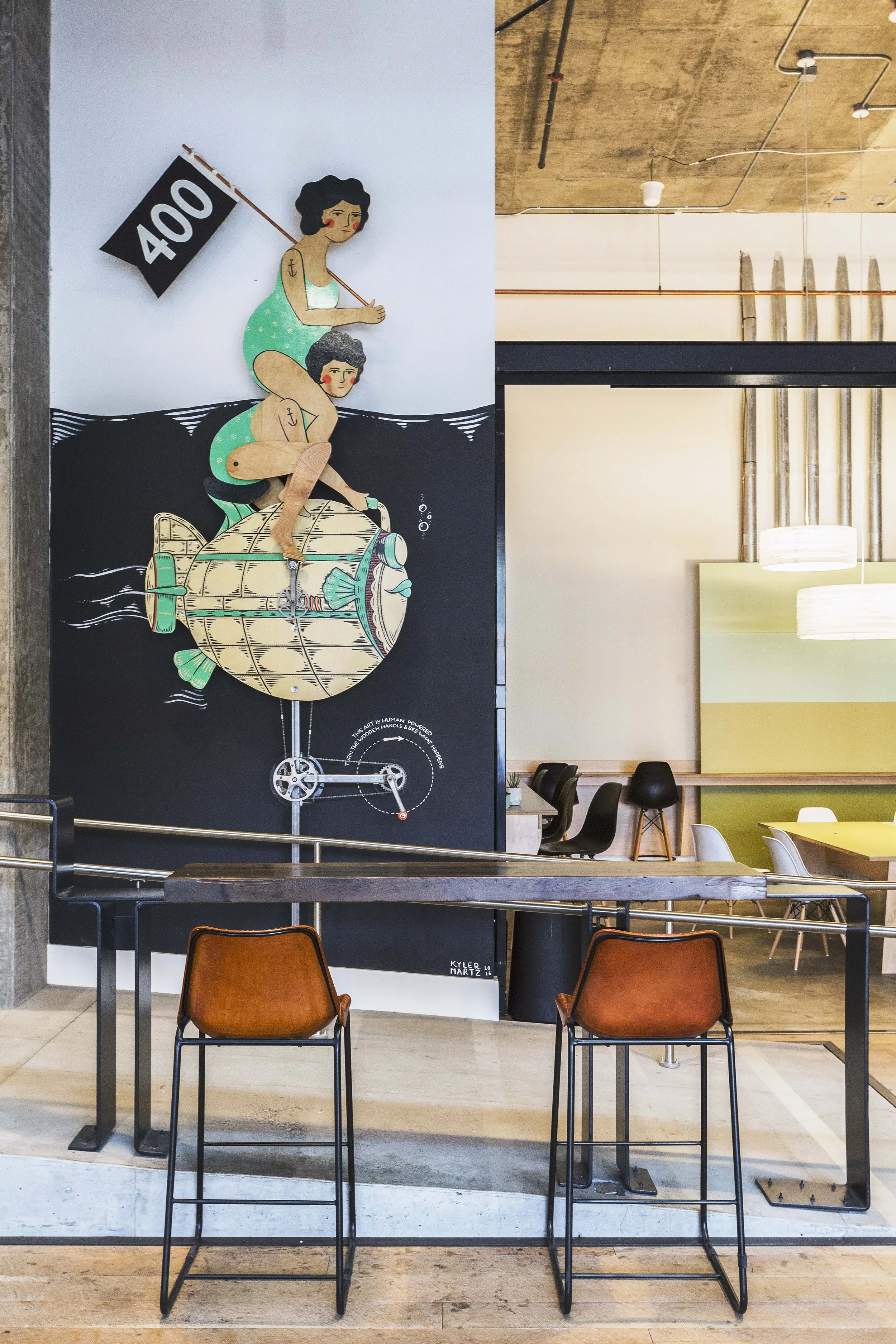
Restaurant seating and places to work sit side by side at 400 Fairview, allowing the ground floor to shift between lunch, meetings, individual work, and time between destinations.
Room to change
and adapt
Upstairs, the same idea of openness takes another form.
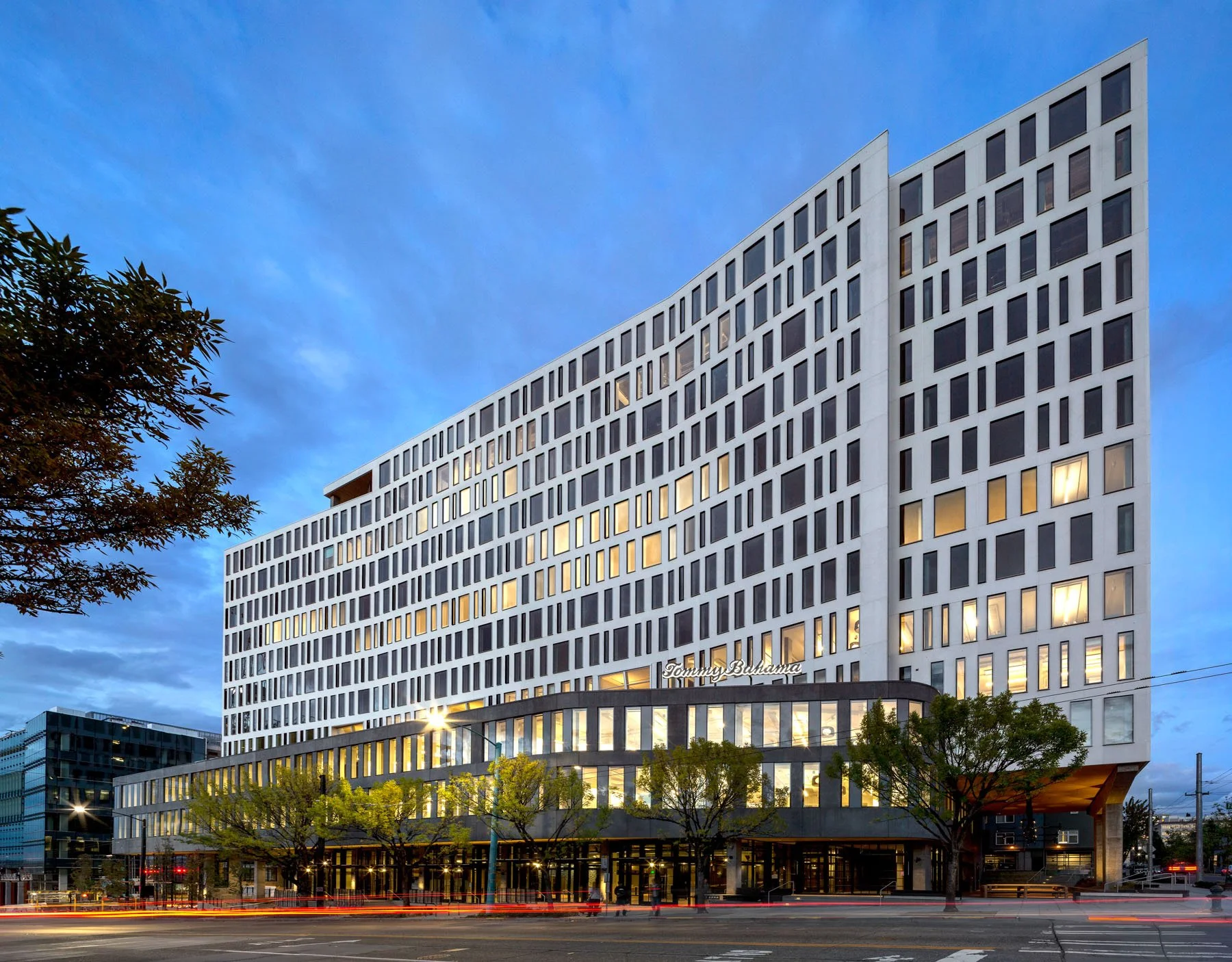
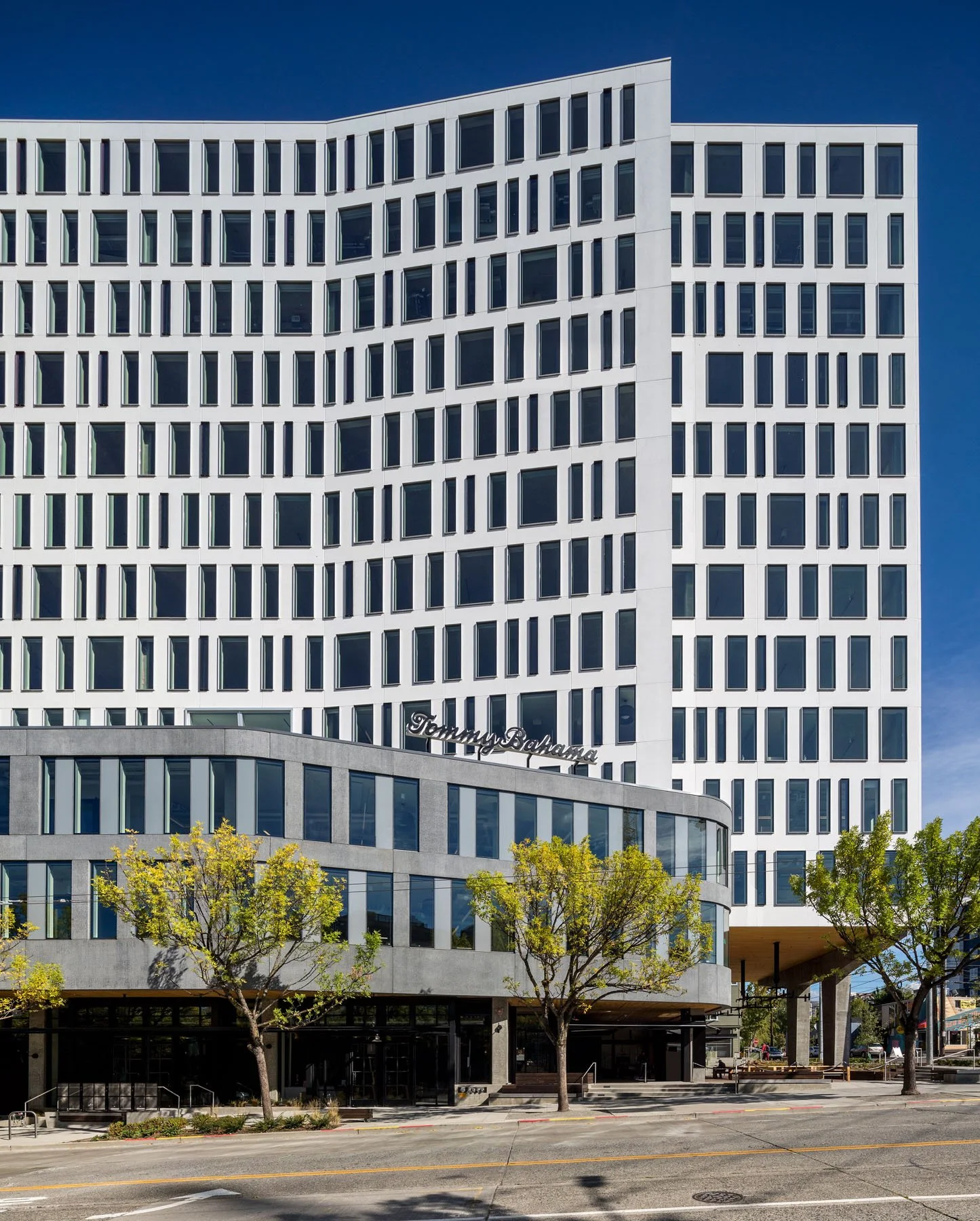
The building's service core moves to the edge rather than occupying the center of each floor. That leaves larger, uninterrupted floor plates with daylight coming through tall windows and more freedom for tenants to organize space as their needs change. The varied window modules also produce different room widths rather than imposing one repeated dimension across the facade.
The architecture establishes the conditions. Tenants decide what happens next.
That matters in a speculative building, where the people using a floor tomorrow may need something very different from the people using it today.
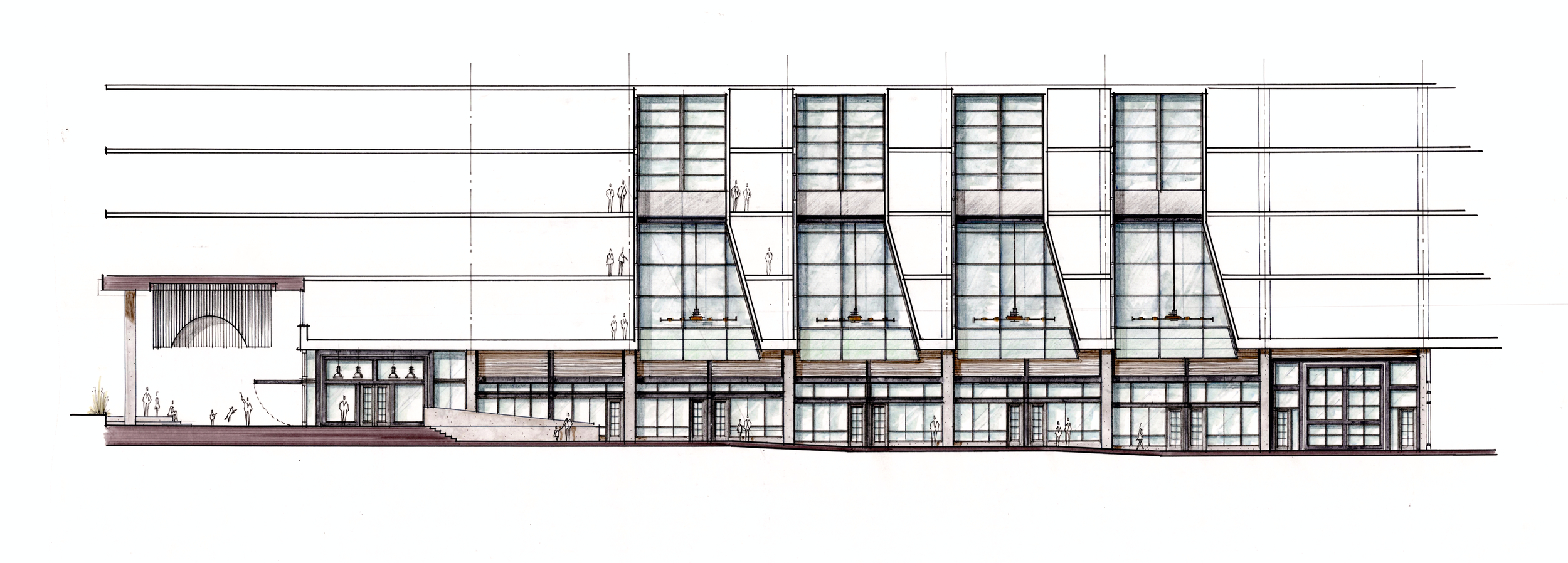
SkB Architects’ sectional study for 400 Fairview shows the light monitors carrying daylight through the office floors while retail and public spaces establish a more active edge along the street.
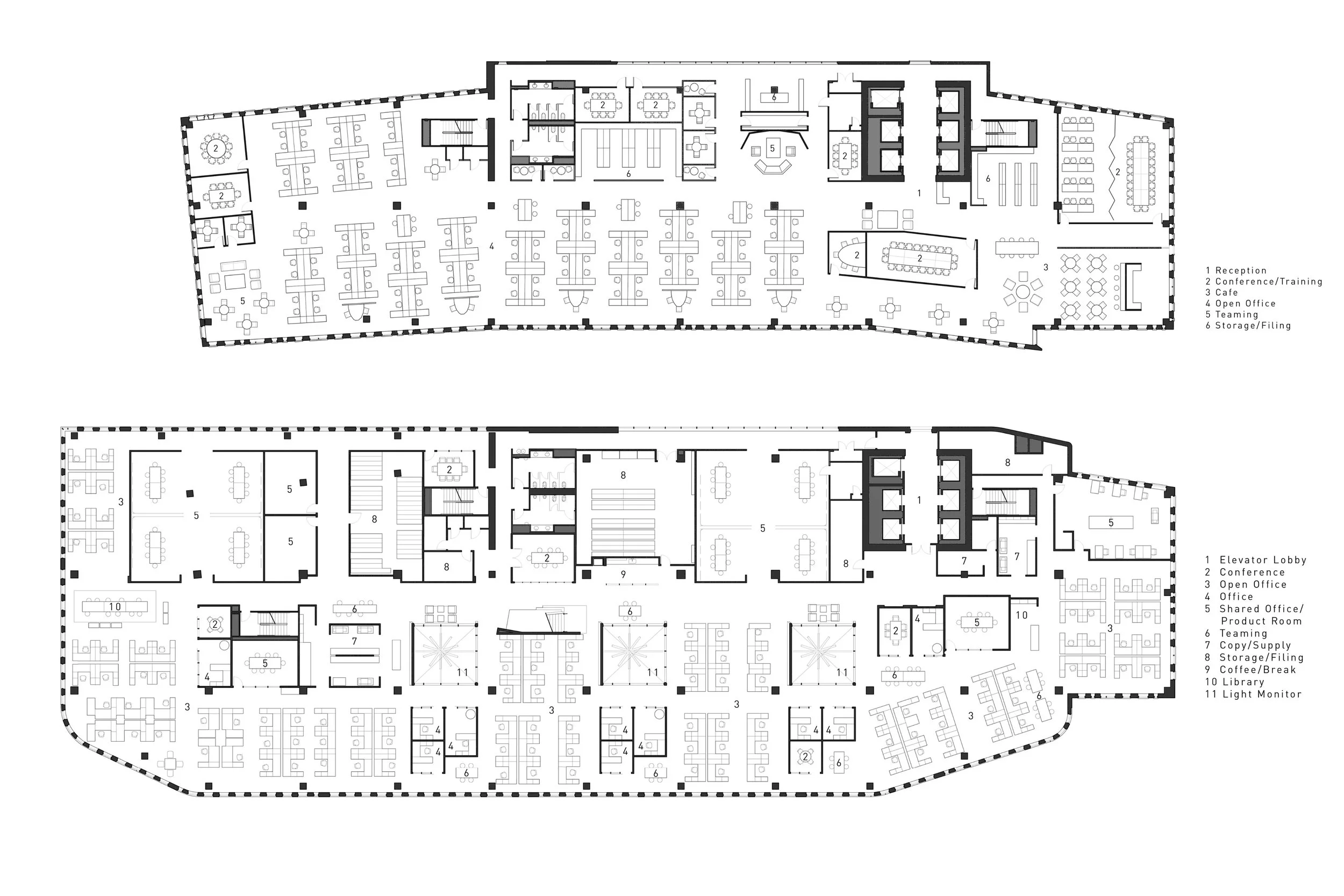
A SkB Architects workplace plan for 400 Fairview organizes open office space, private offices, conference rooms, team rooms, libraries, and shared areas around a series of light monitors that bring daylight into the depth of the floorplate. The off-centered core creates a more flexible floorplate.
The pattern is
not perfect
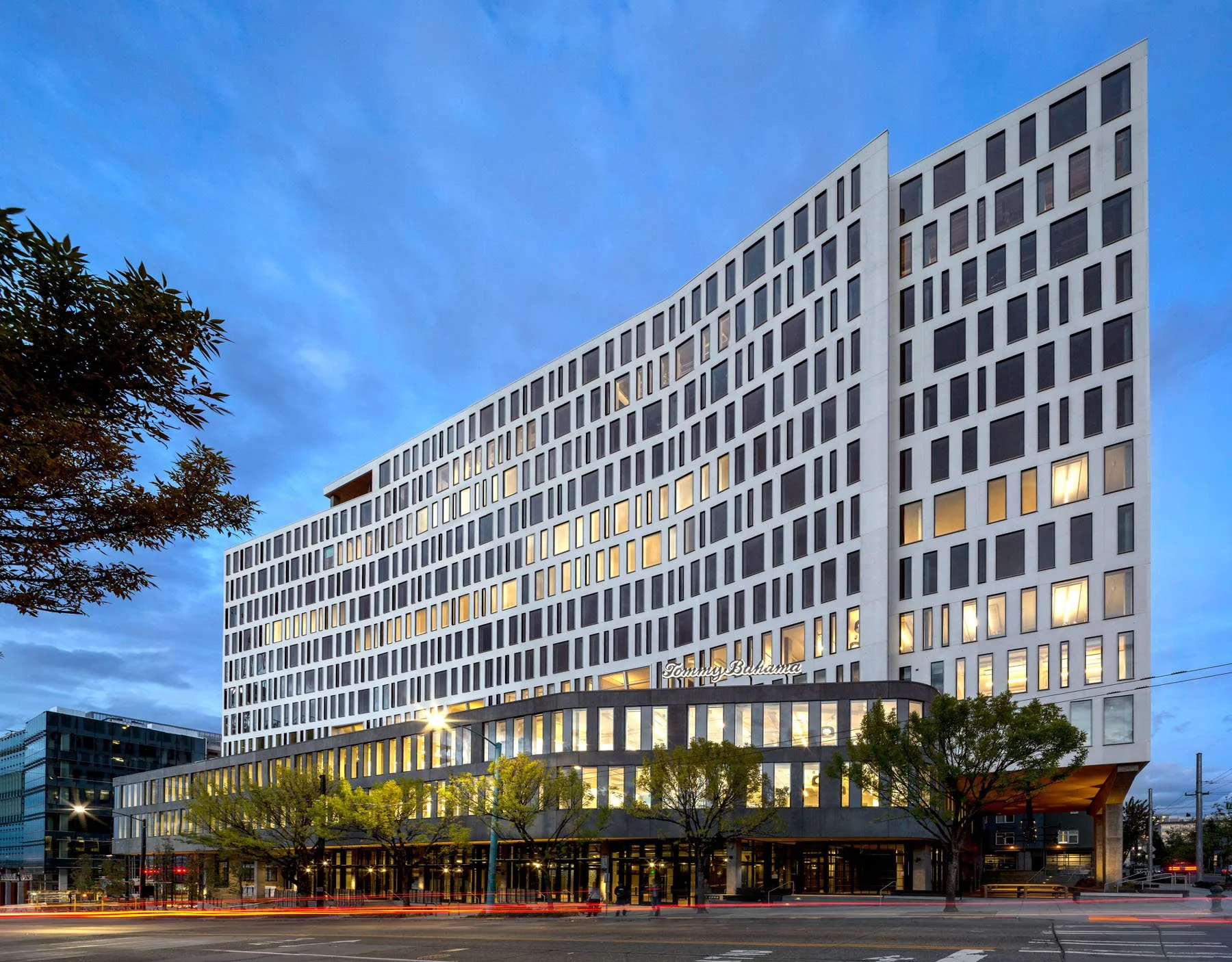
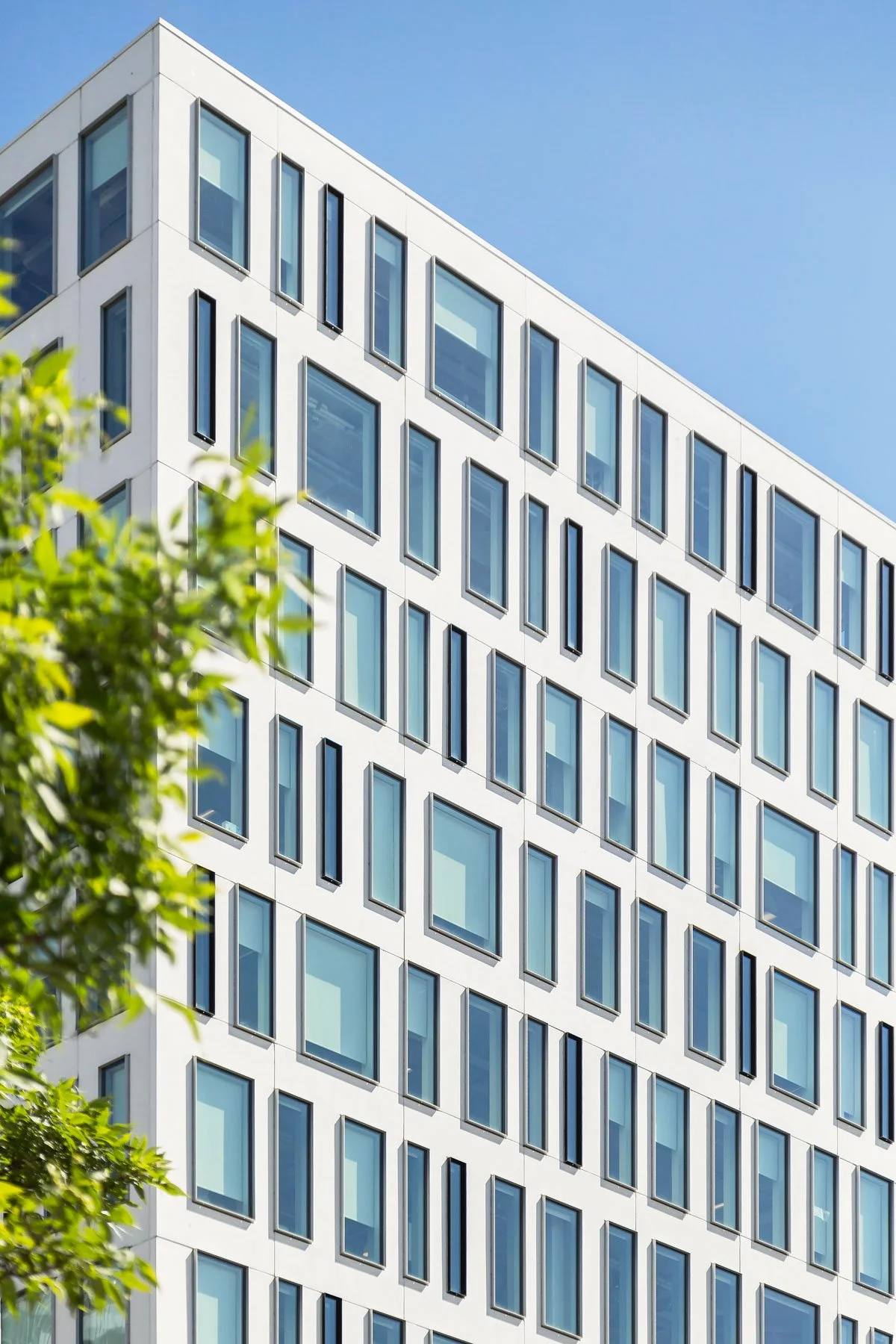
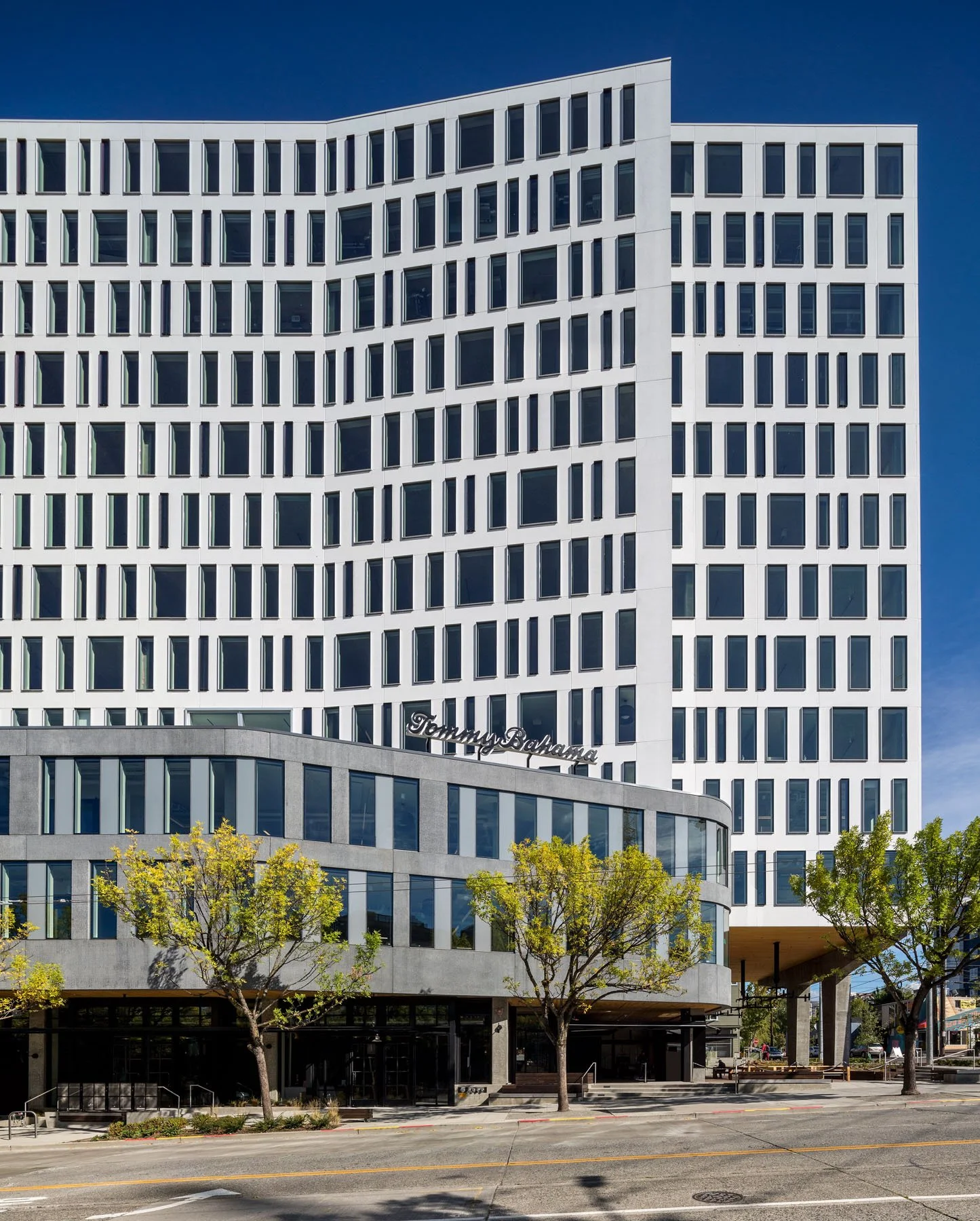
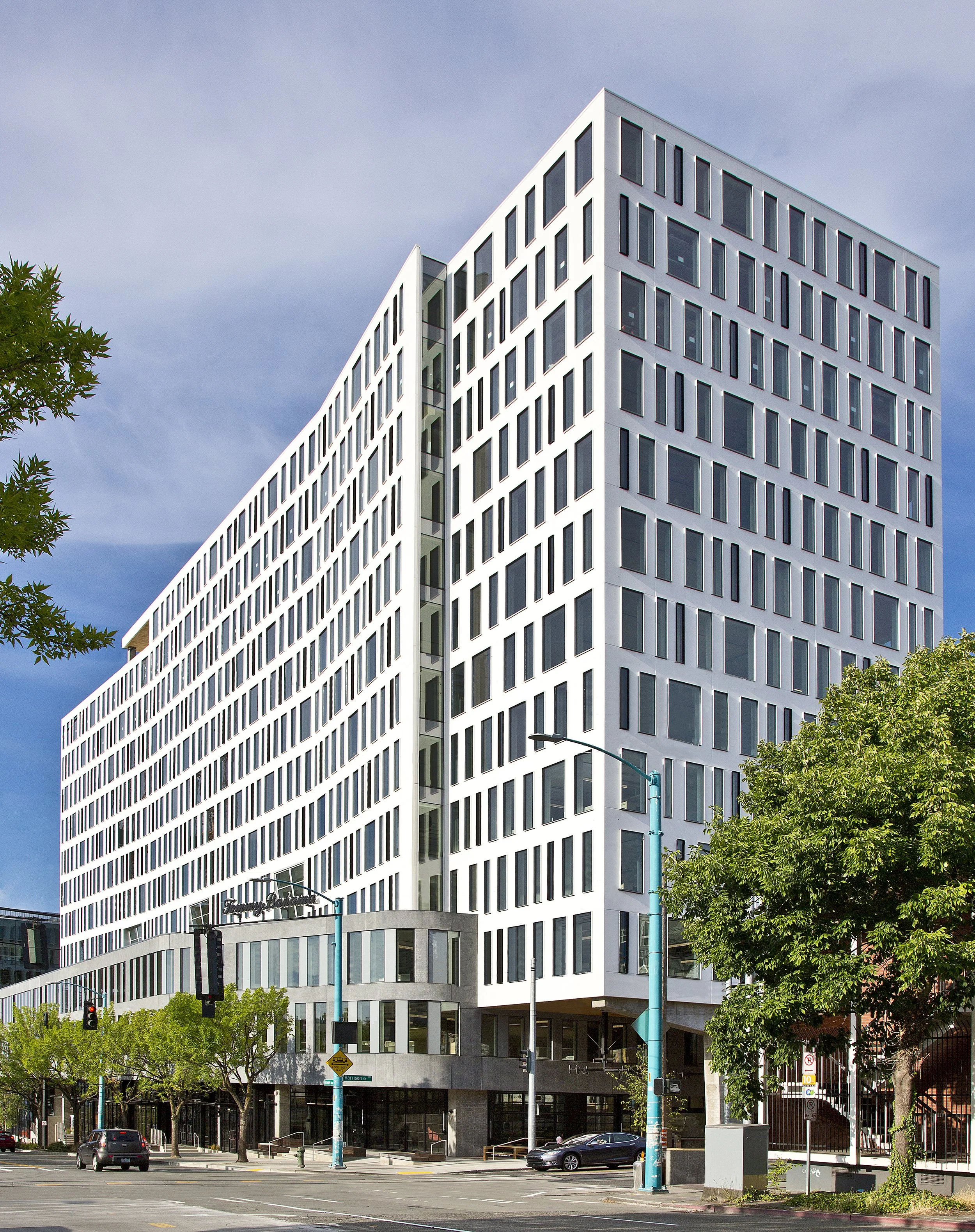
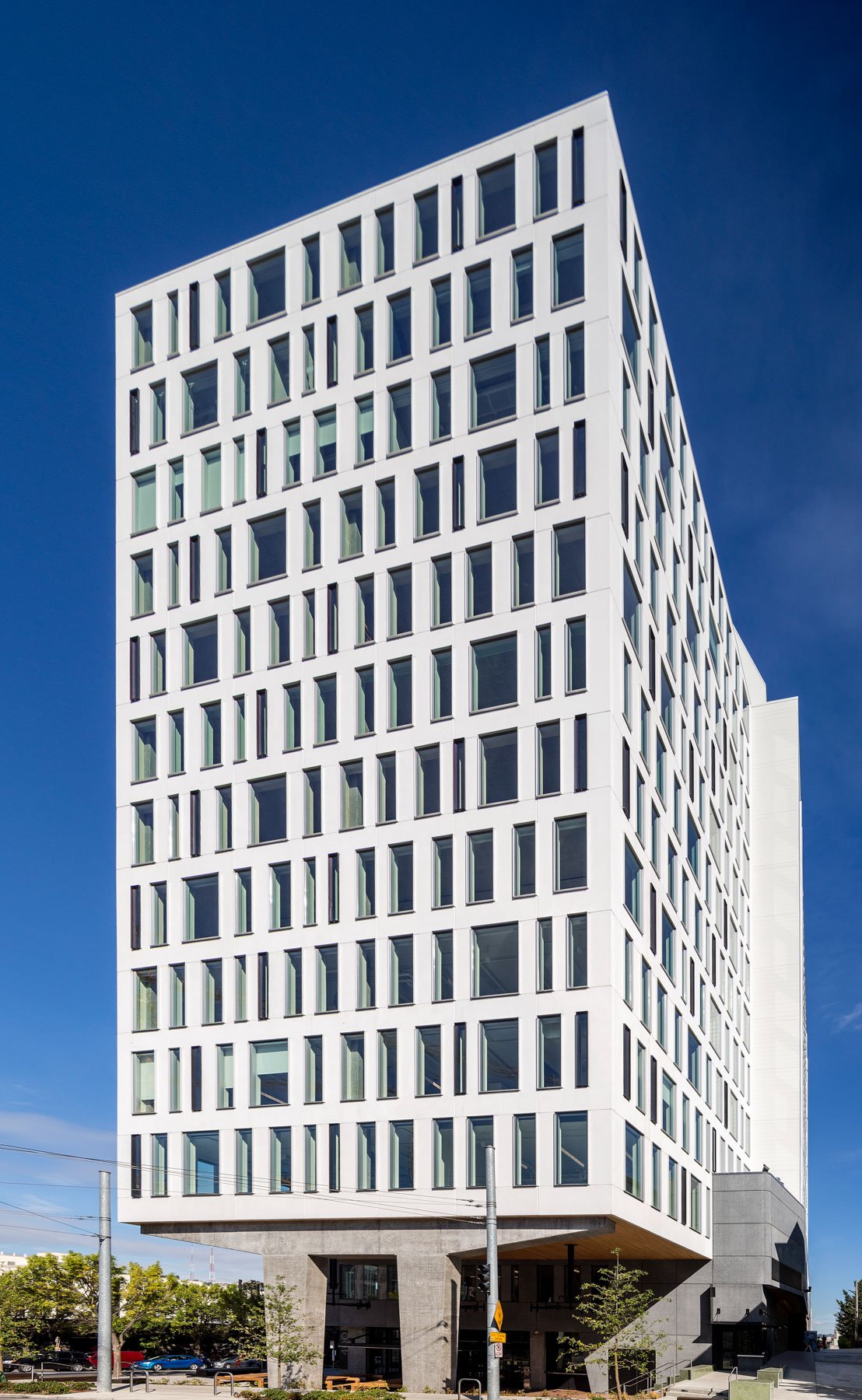
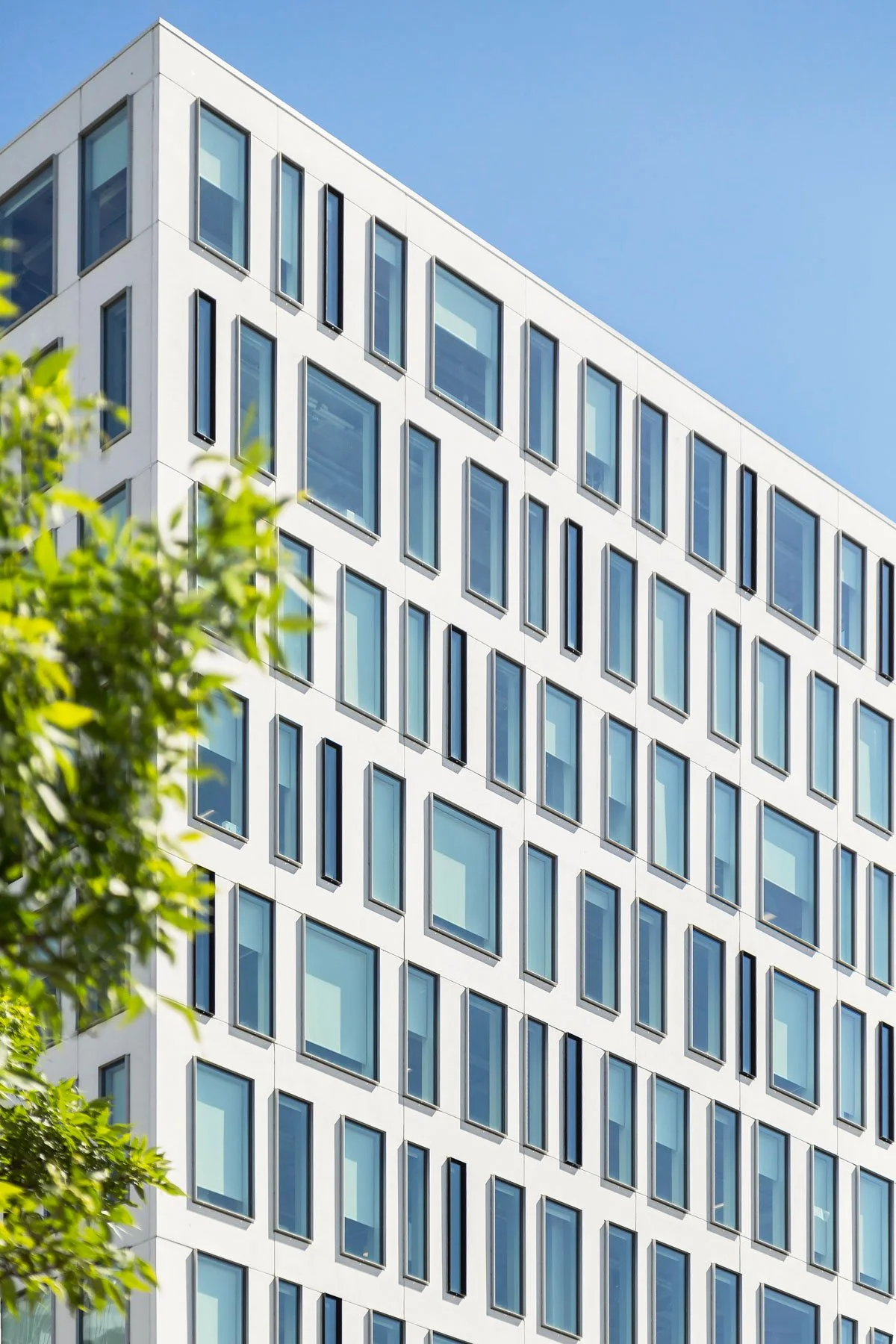
The tower's windows deliberately resist a perfect grid.
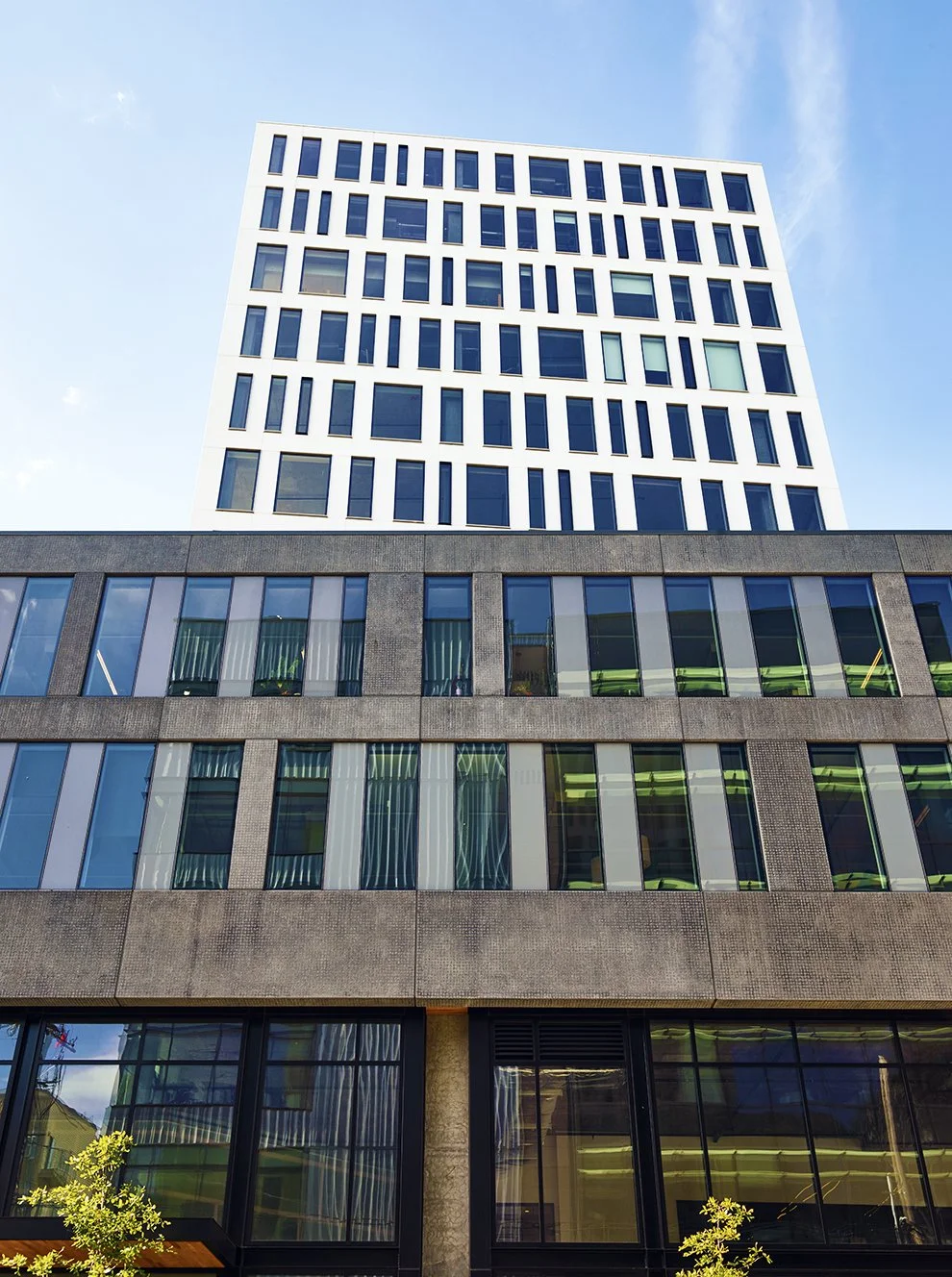
Five window and precast modules shift across the facade, taking their cue from woven linen, flax, and silk, where small irregularities give the material its character. Black and white frames add another variation that becomes more apparent as you approach the building.
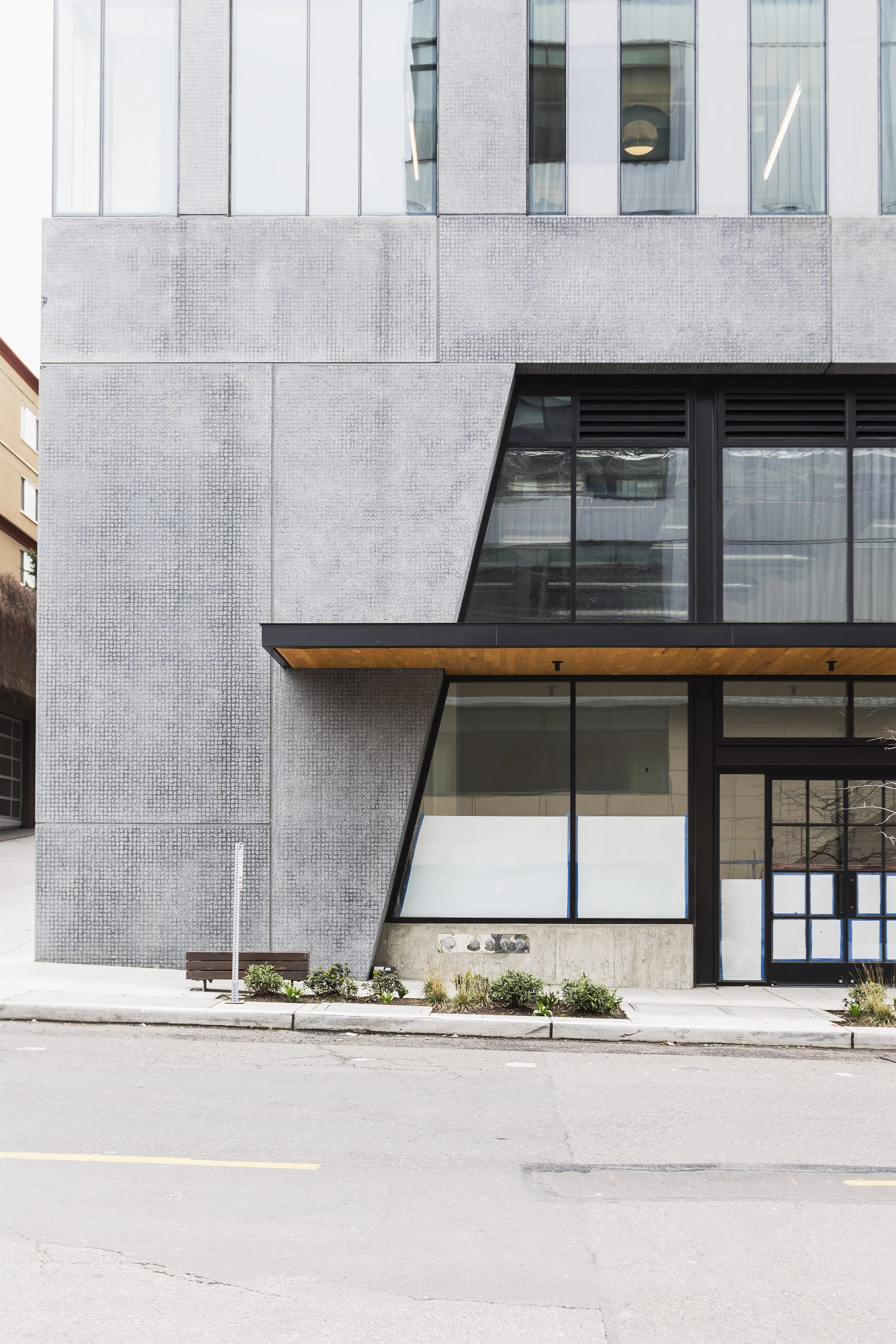
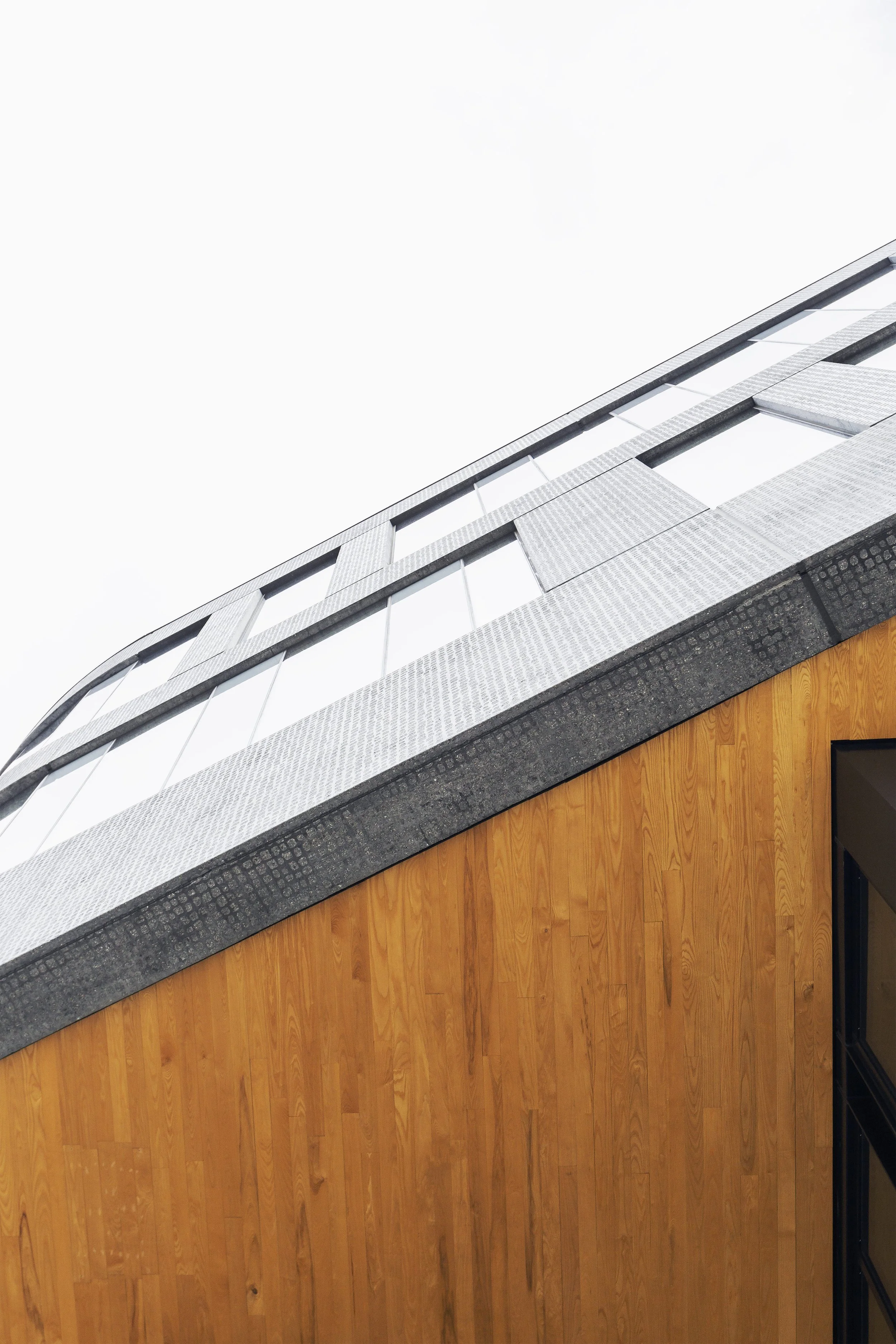
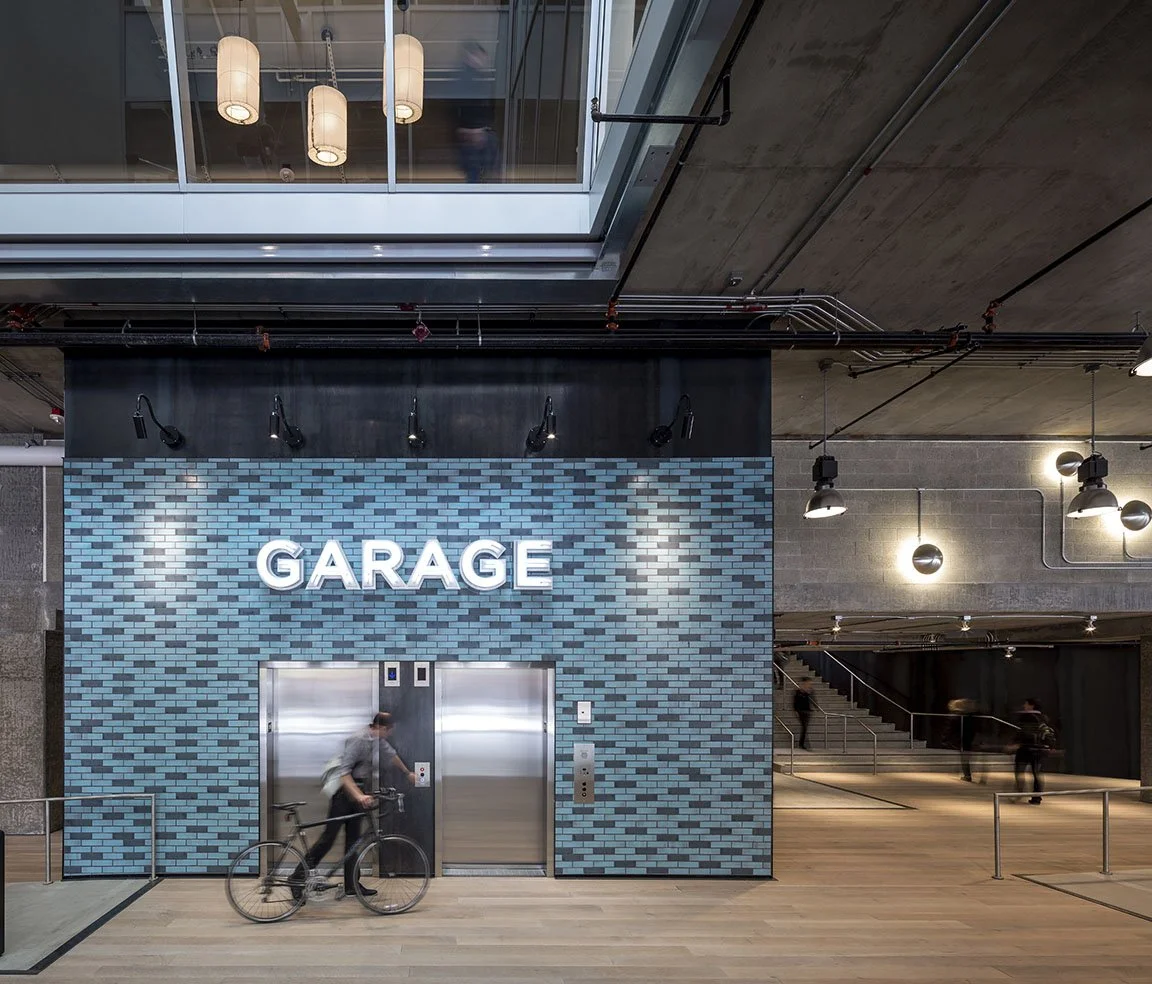
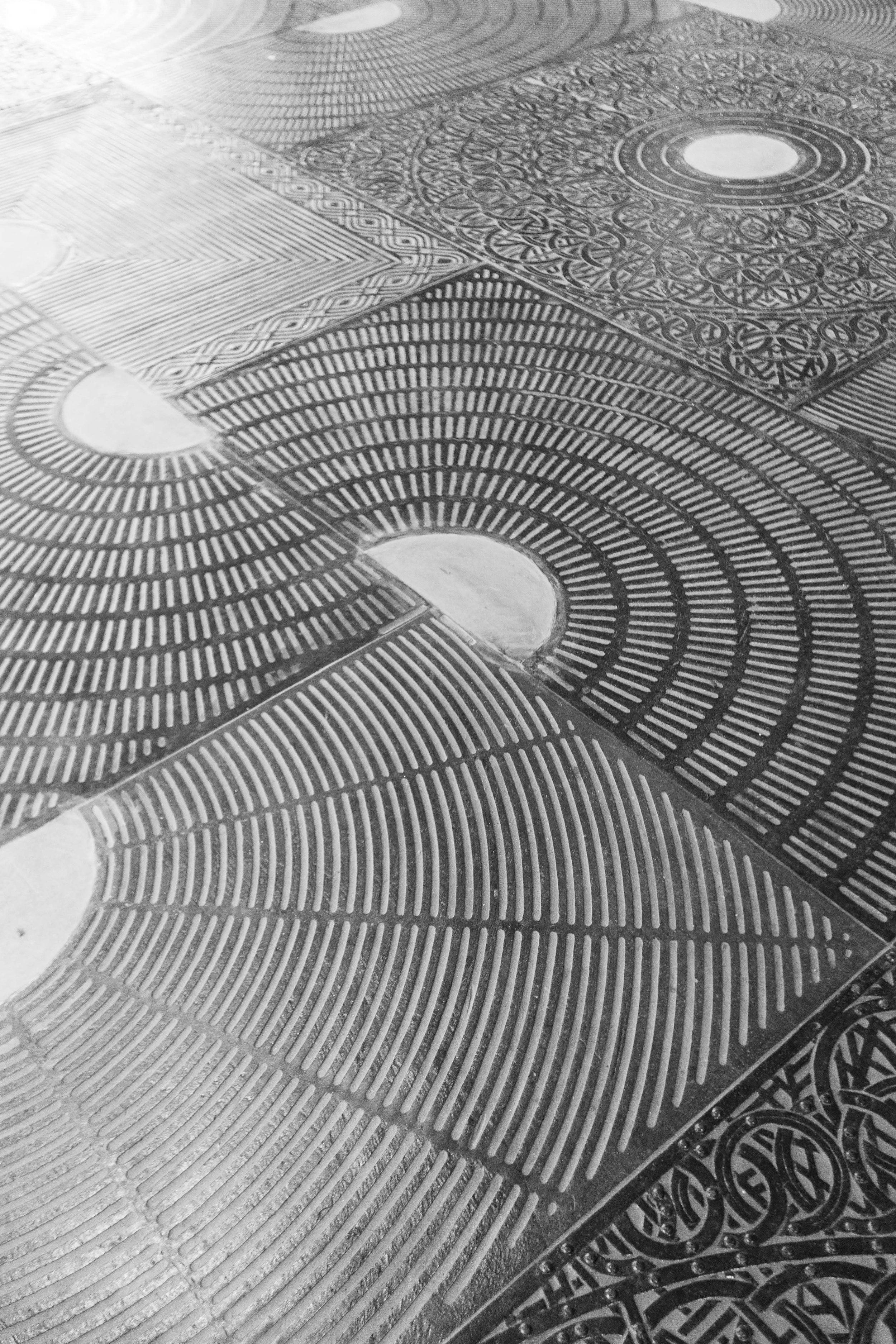
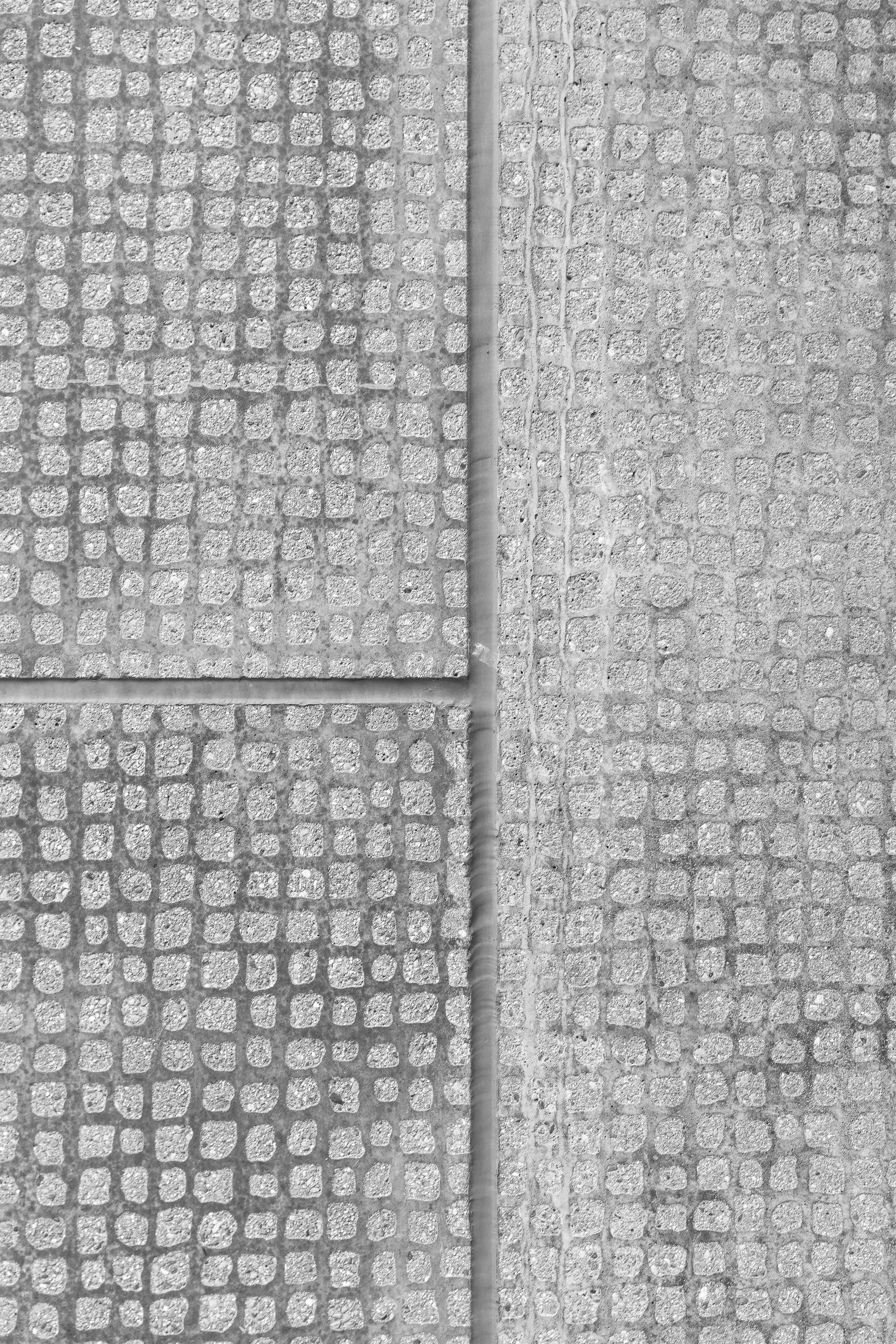
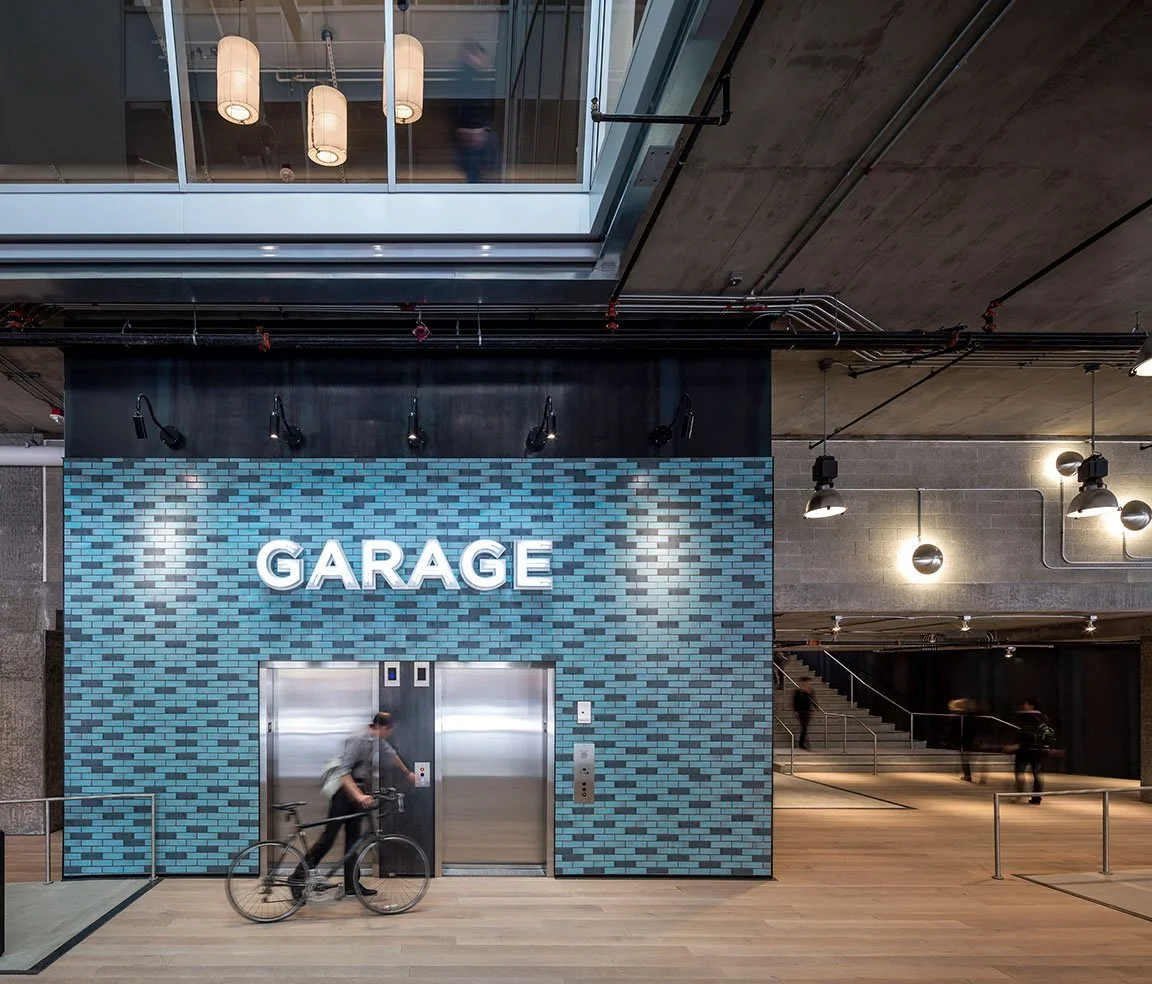
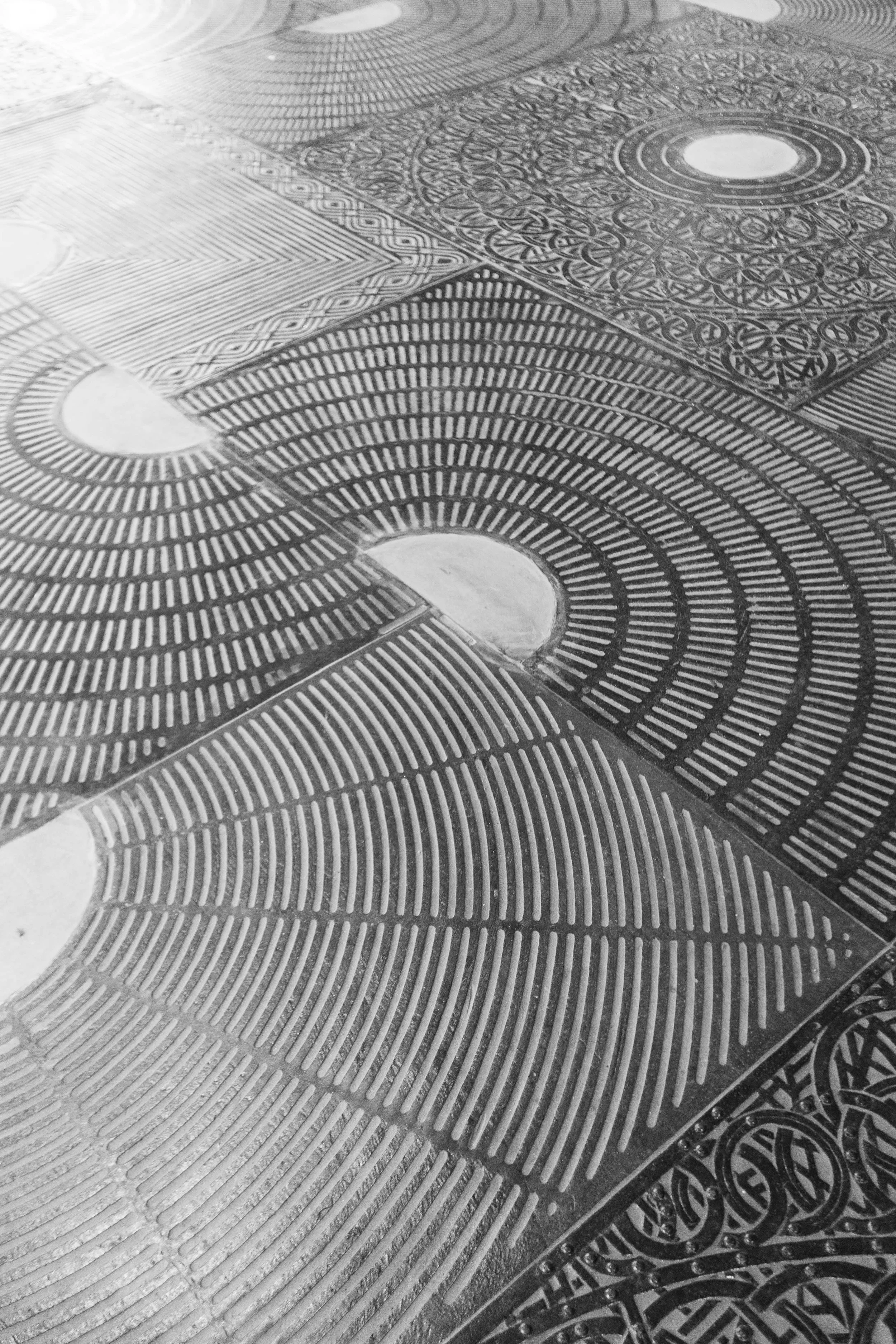
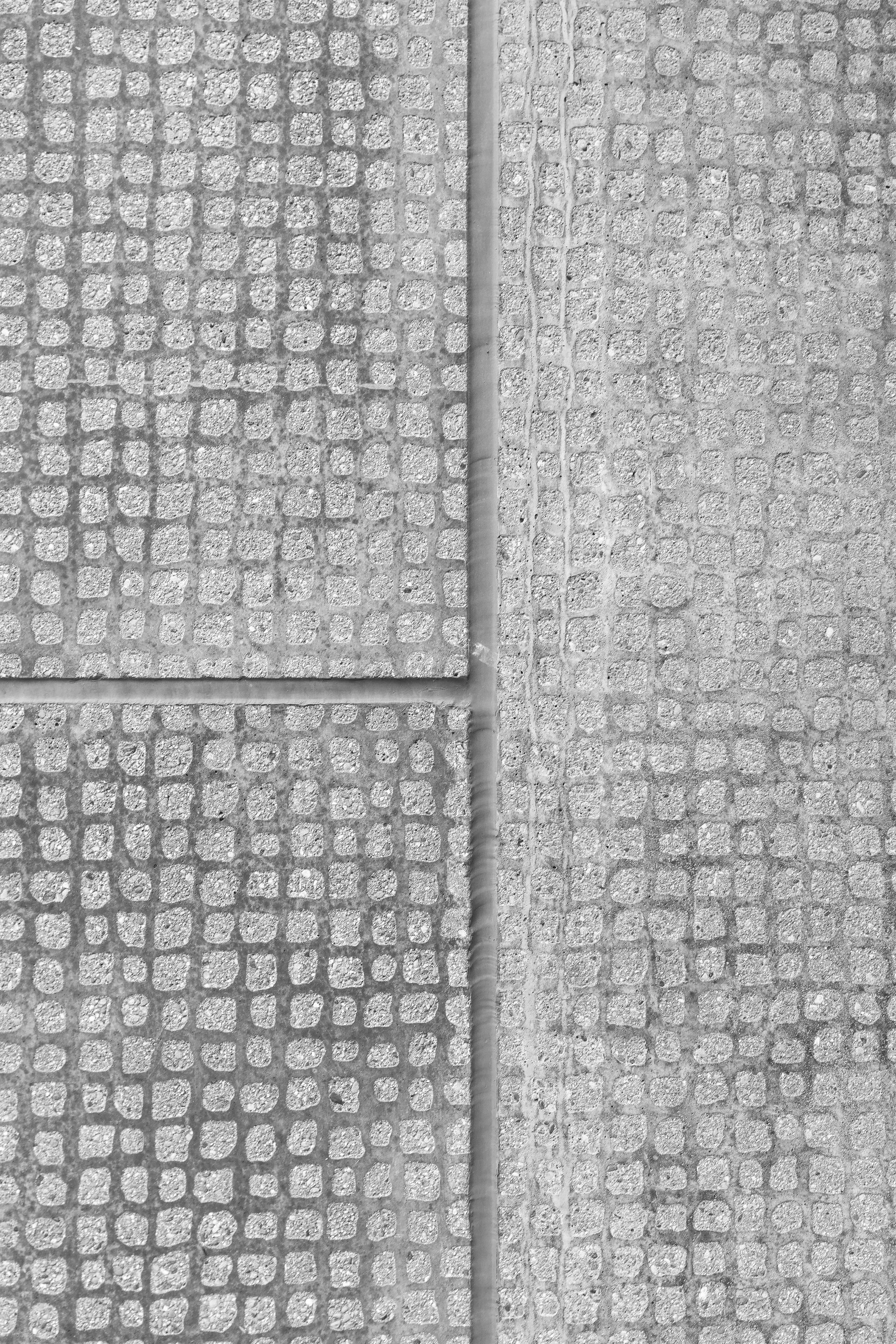
At the ground floor, the scale changes again. Expressed concrete, glazed brick, steel, wood, and visible building systems give The Hall a more tactile character. Materials continue outside into the sheltered edges of the building rather than stopping at the glass.
Gallery
A commercial building can belong to the people who lease it and the people who never will.
